
Events
We’re investigating the role of technology in society, the needs of our communities, and the systems that govern them.
Upcoming events:
What does it mean for an AI system to understand—and how can we know? Join SRI Faculty Affiliate Huili Chen for an interdisciplinary exploration of machine understanding, the different forms it might take, and how greater conceptual clarity could support the evaluation and responsible development of AI systems.
This one-day conference bringing together researchers from psychology, philosophy, and computer science to ask what the human mind can tell us about AI—and what AI can tell us about the human mind. Panels will examine how AI is reshaping human relationships, what it reveals about the nature of morality, and the ethical and political stakes of AI in public life, followed by a keynote by philosopher of mind David Chalmers (New York University).
What happens when the threat to your digital security is someone you know? Join SRI Faculty Affiliate Thomas Ristenpart for an examination of interpersonal threat models—where the adversary is an intimate partner, family member, or close acquaintance—and the research, clinical practice, and advocacy needed to support survivors of technology-enabled abuse.
What does it mean for an algorithm to be fair—and how far does fairness reach once a system is deployed in the world? Join Princeton University's Lydia T. Liu for a wide-ranging exploration of algorithmic justice, the long-term social consequences of automated decision-making, and what the design of experiments can contribute to evaluating AI in practice.
Past events:
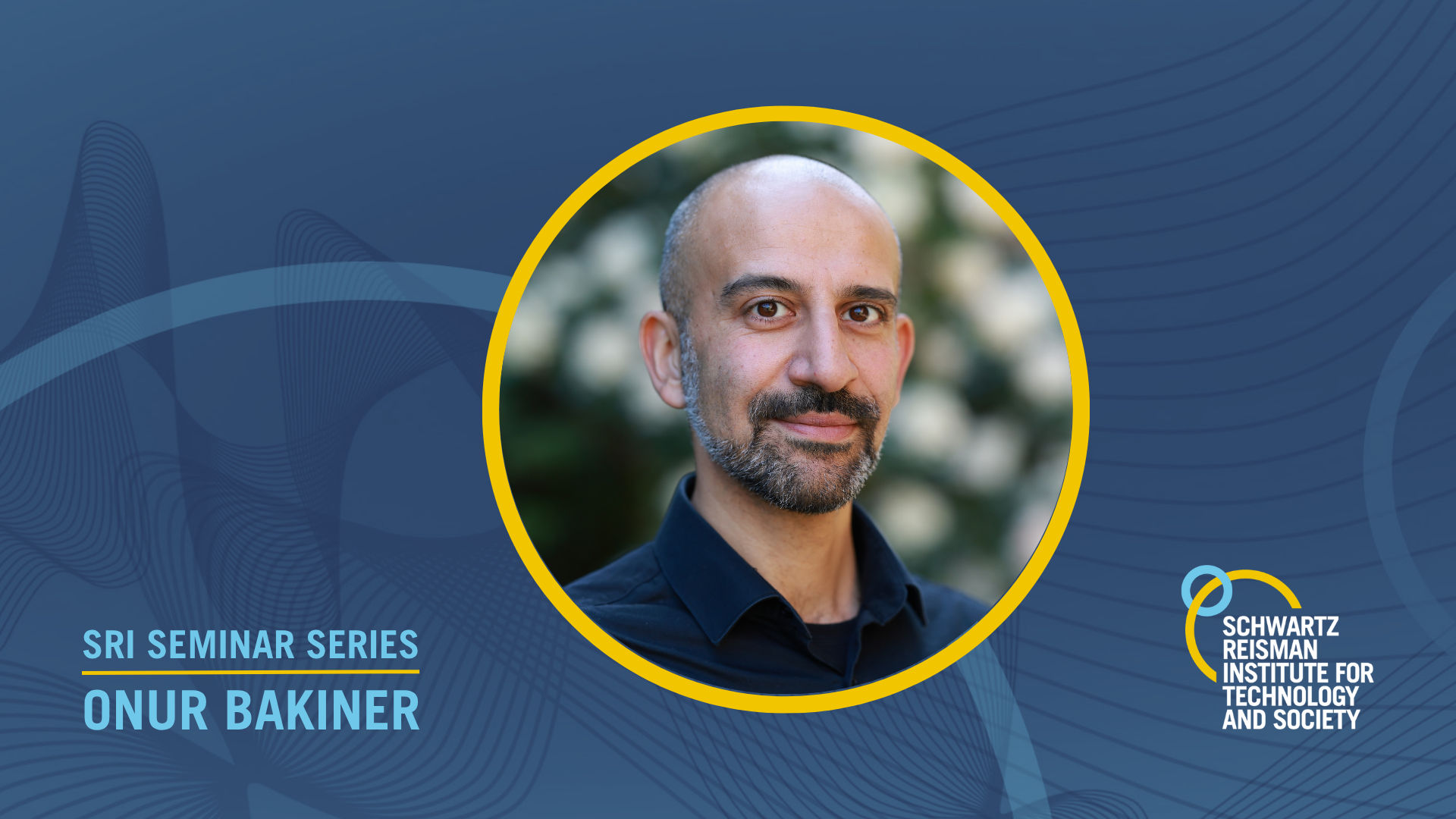
How should societies govern artificial intelligence, and which approaches are most likely to work? Join Seattle University’s Onur Bakiner for a wide-ranging examination of AI risks and harms, the strengths and limitations of technical safeguards, corporate self-regulation, and legal oversight, and the role of public participation in shaping the future of technology.
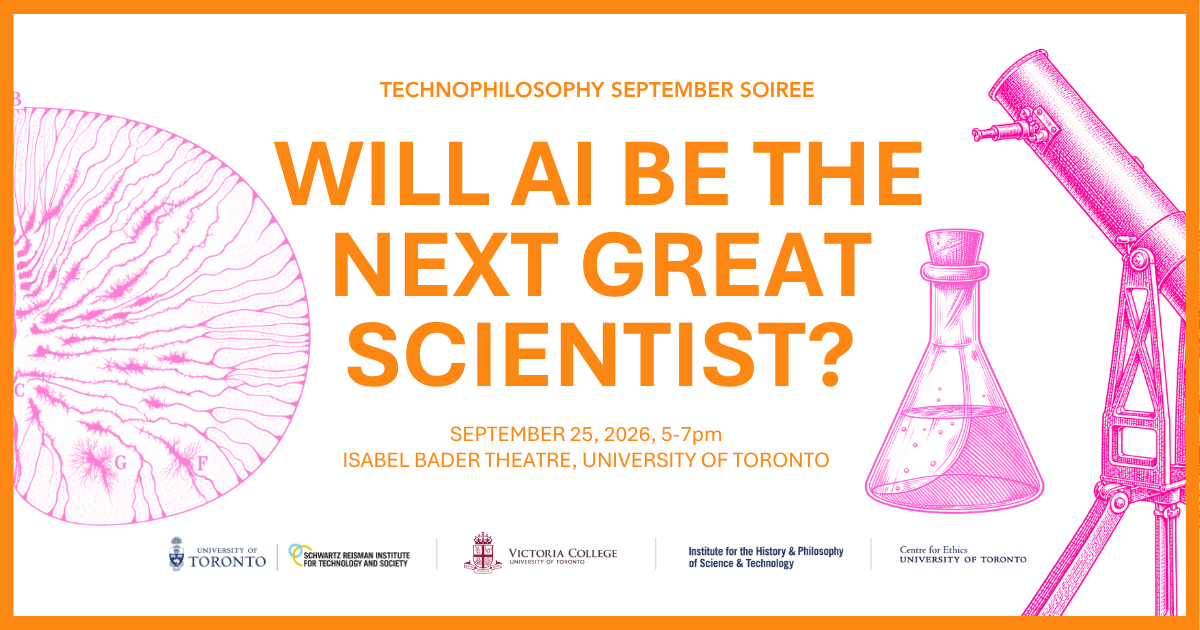
The 2026 September Soiree on Technophilosophy will bring together leading thinkers from neuroscience, chemistry, computer science, and philosophy. “Technophilosophy” asks philosophical questions about technology—and considers how emerging technologies can help us answer enduring philosophical questions.
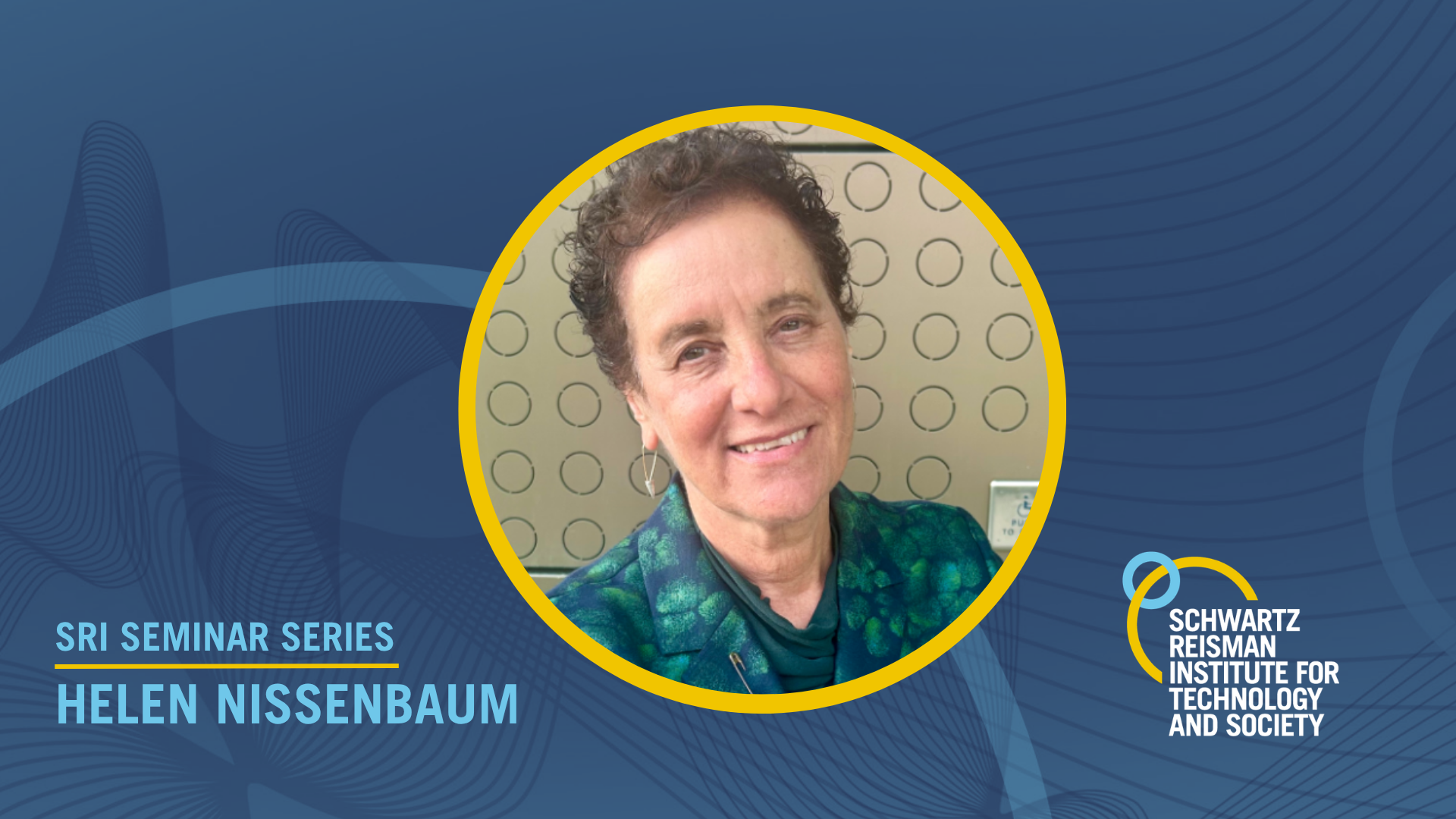
How should we understand privacy, trust, and accountability in a world increasingly shaped by digital technologies? Join Cornell Tech’s Helen Nissenbaum, one of the most influential scholars working at the intersection of technology and ethics, for a wide-ranging exploration of the social values embedded in technological systems and enduring questions about privacy, autonomy, security, and responsible design.
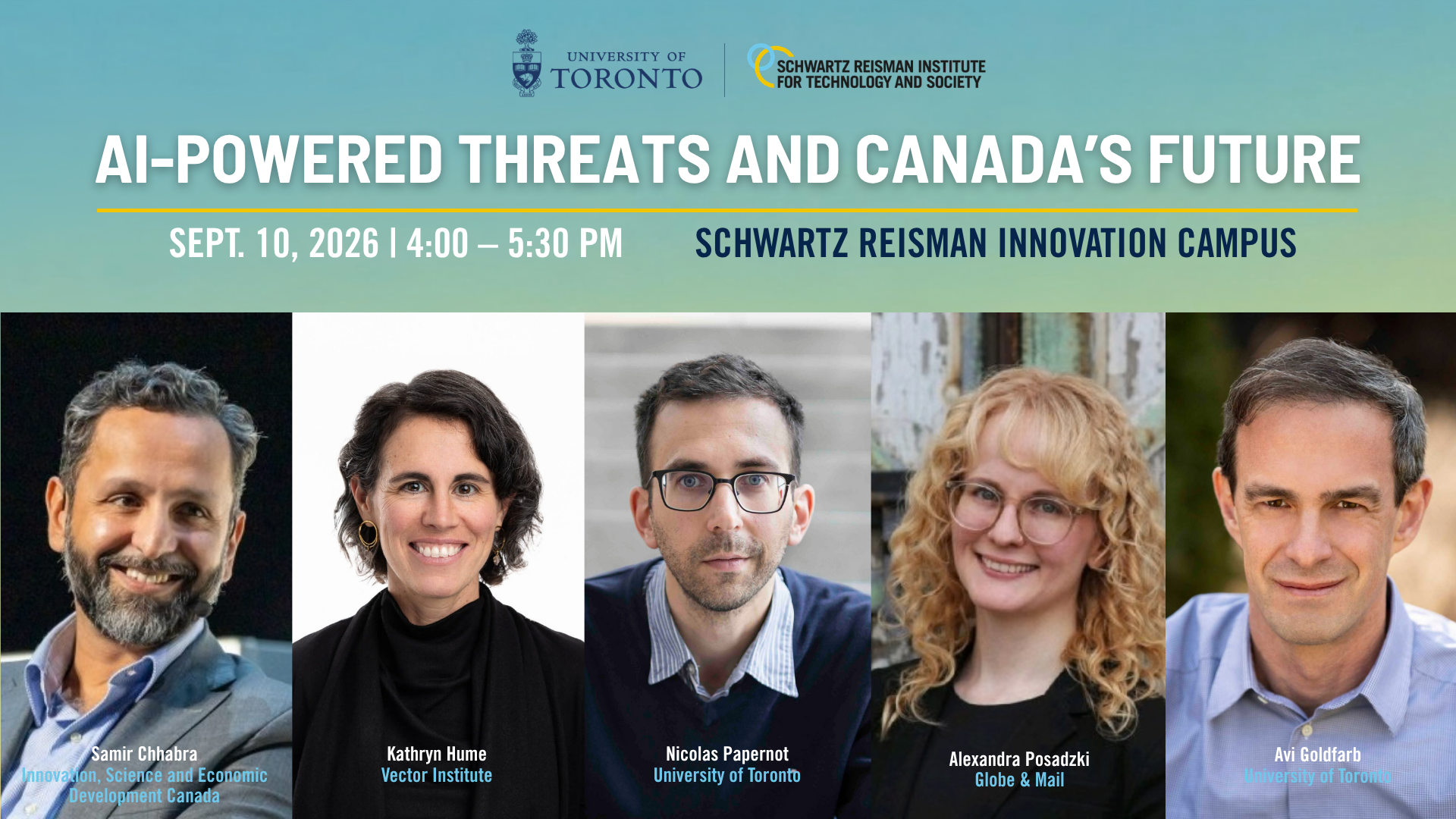
Join SRI Faculty Affiliate Nicolas Papernot for a timely conversation on how artificial intelligence is reshaping cybersecurity and what it means for our increasingly connected world.
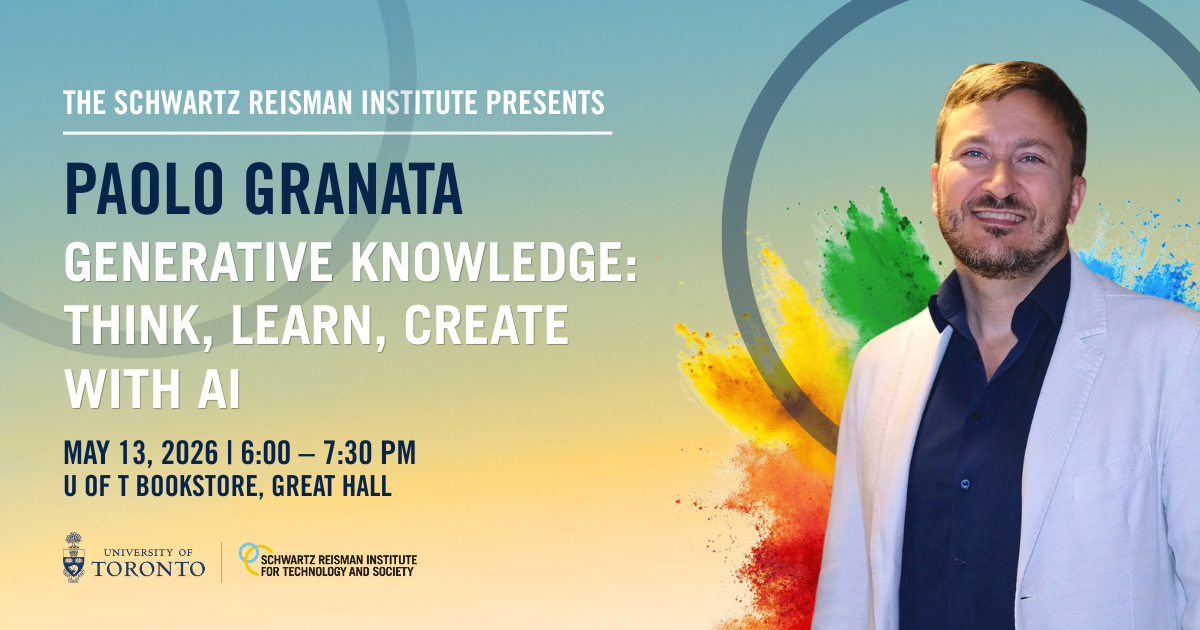
On May 13, 2026, the Schwartz Reisman Institute for Technology and Society will host an in-person dialogue led by SRI Faculty Affiliate and associate professor of book and media studies at the University of Toronto, Paolo Granata.
An annual academic conference hosted by the Schwartz Reisman Institute for Technology and Society, Absolutely Interdisciplinary convenes leading thinkers from a rich variety of fields to engage in conversations that encourage innovation and inspire new insights.
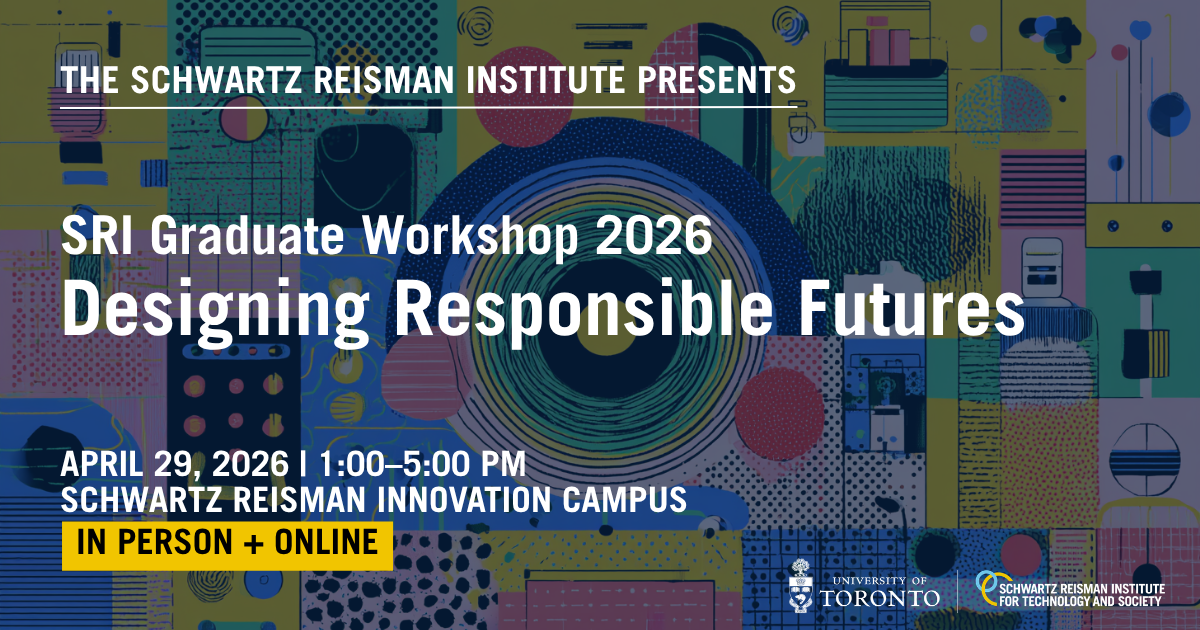
Organized by SRI’s 2025–26 graduate fellows, this workshop explores how increasingly capable AI systems reshape responsibility, authority, and governance across technical, institutional, and societal domains. Bringing together researchers, practitioners, and emerging scholars, the program moves from current approaches to trustworthy AI, to questions of expertise and governance, to long-term futures shaped by increasingly autonomous systems.
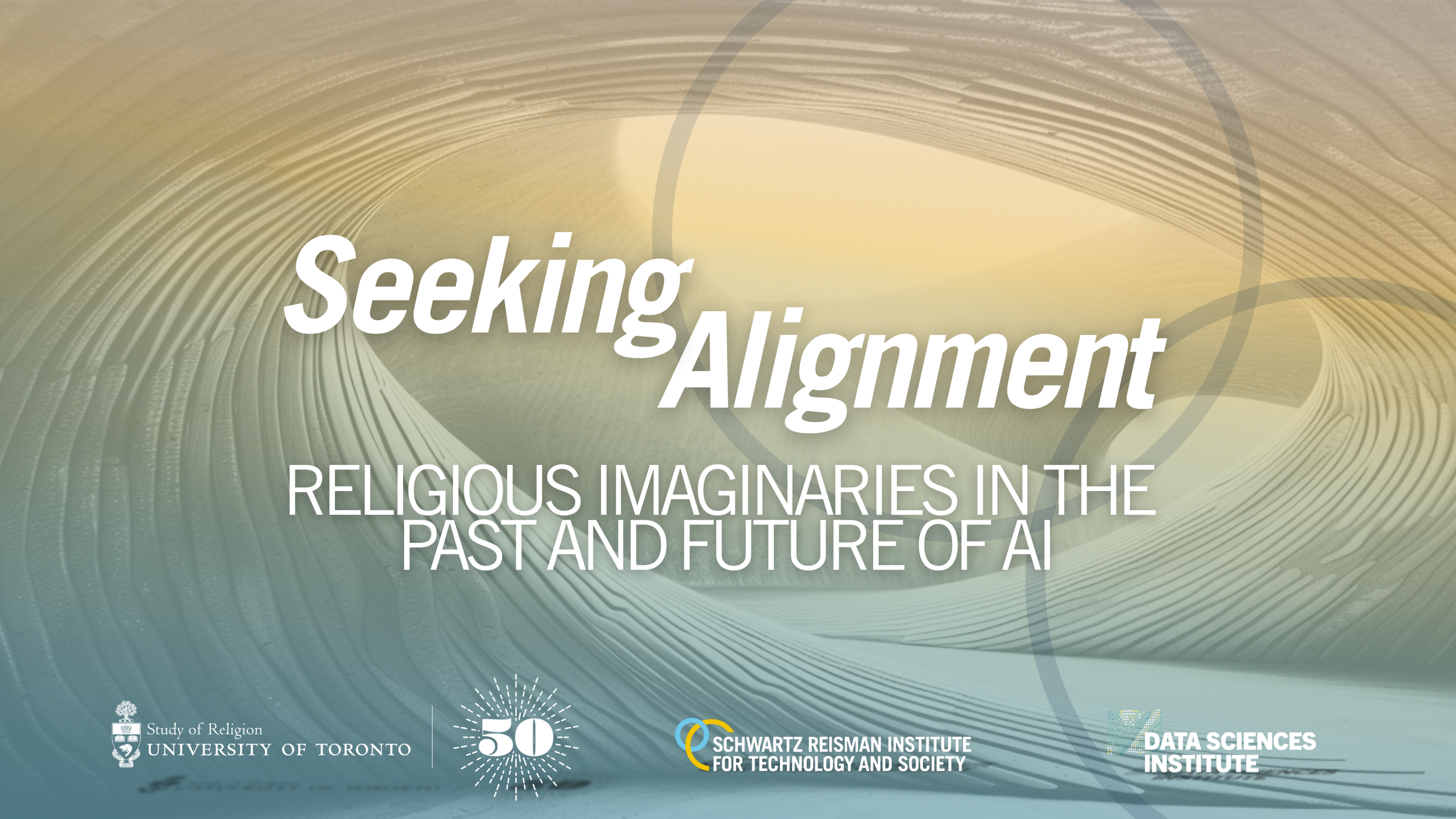
Join us for this in-person event as the Seeking Alignment panel brings together scholars working in the study of religion, history of science, media theory, and computer science to consider how the religious pasts of AI shape the foretelling of its future.
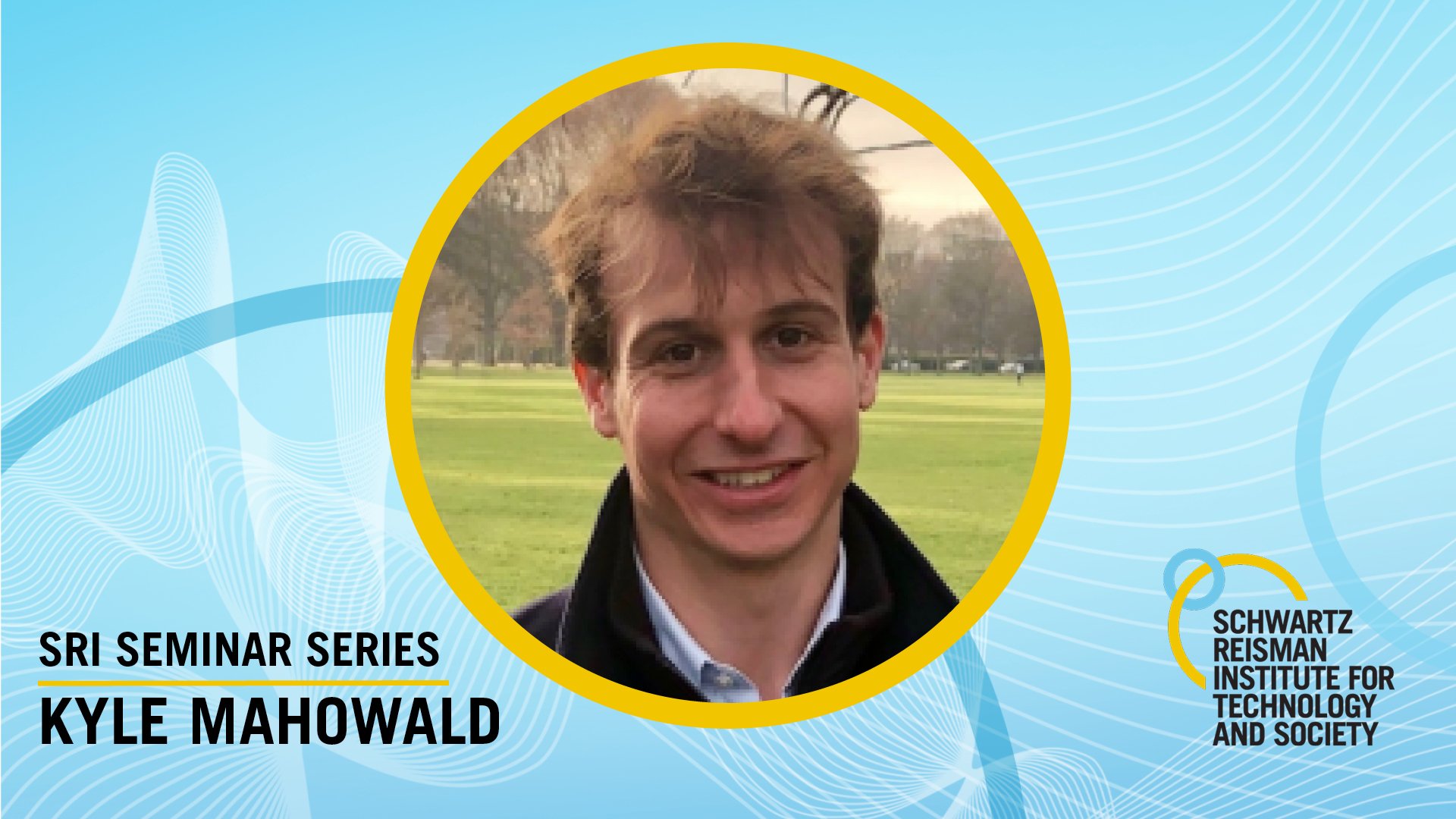
How are large language models reshaping the study of human language itself? Join Kyle Mahowald (University of Texas at Austin) as he shows how filtered pretraining and mechanistic interpretability experiments can illuminate linguistic structure—offering fresh insights into how humans process language and why these models may be genuinely informative for core questions in linguistics.
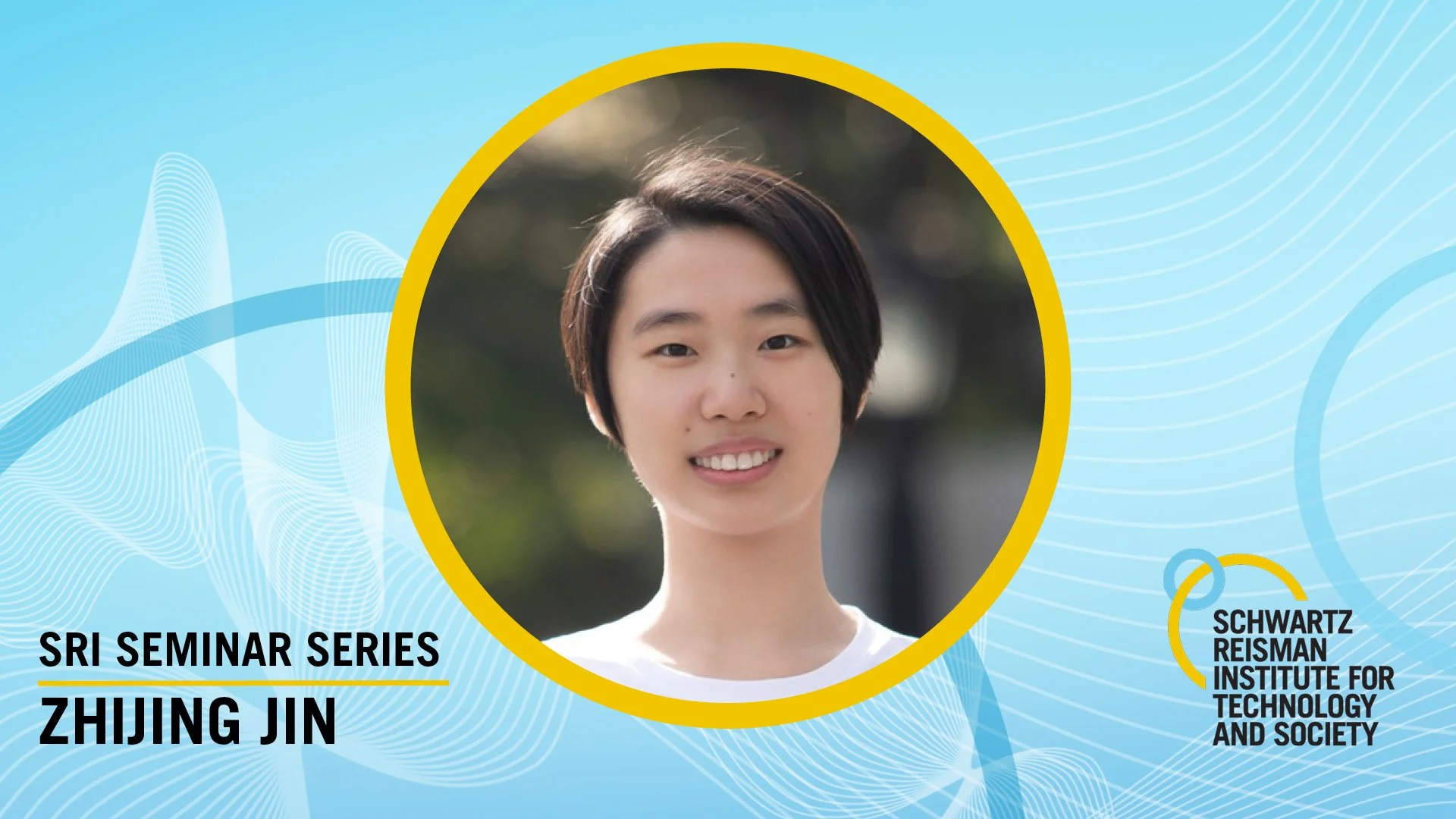
How can advanced AI systems reason, coordinate, and act responsibly in complex social settings? Join University of Toronto incoming assistant professor and Max Planck Institute research scientist Zhijing Jin for a high-level exploration of large language models, causal reasoning, and the foundations of responsible and trustworthy AI.
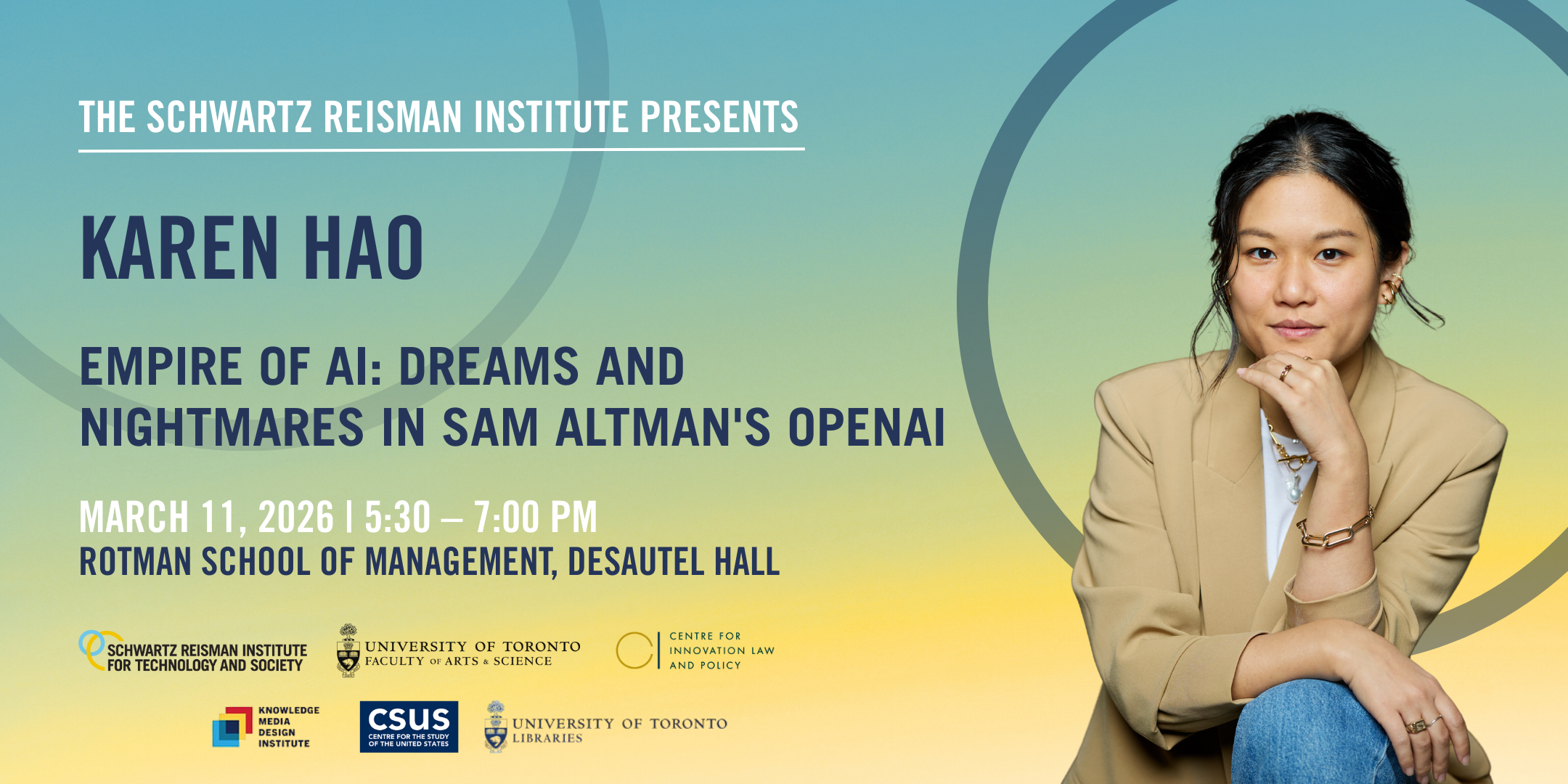
Join us for this in-person event as Karen Hao draws on her global reporting and insider access to discuss the implications of AI’s rapid deployment, the erosion of democratic norms, and the need to rethink how we design, govern, and distribute AI systems to support ongoing policy and public interest efforts aimed at ensuring AI benefits society broadly.
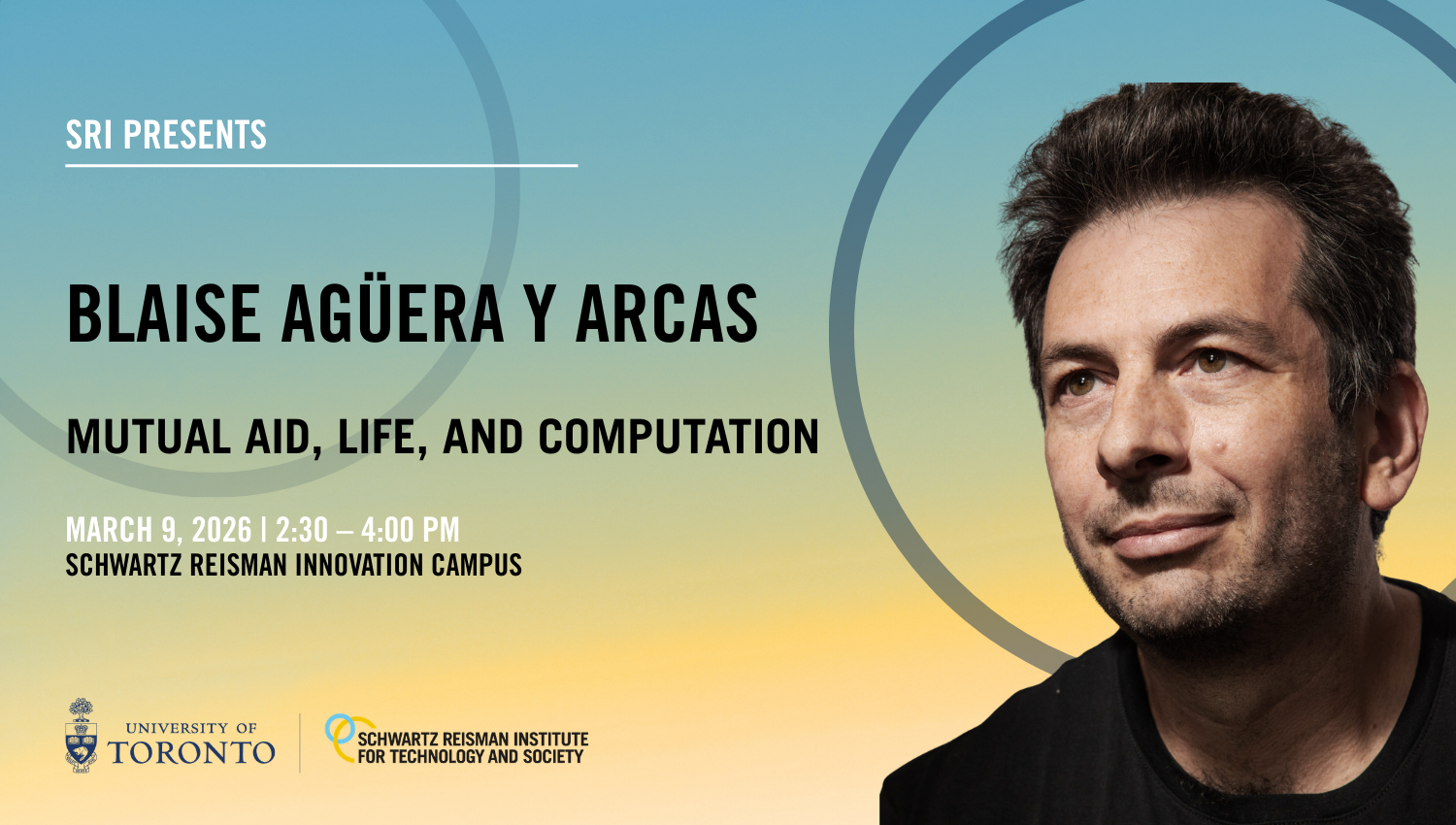
Join us for an in-person conversation with Bruce Schneier and Blaise Agüera y Arcas on cooperation, complexity, and the future of intelligence.