
WHAT’S HAPPENING
Here’s what we’re thinking about, talking about, and working on.
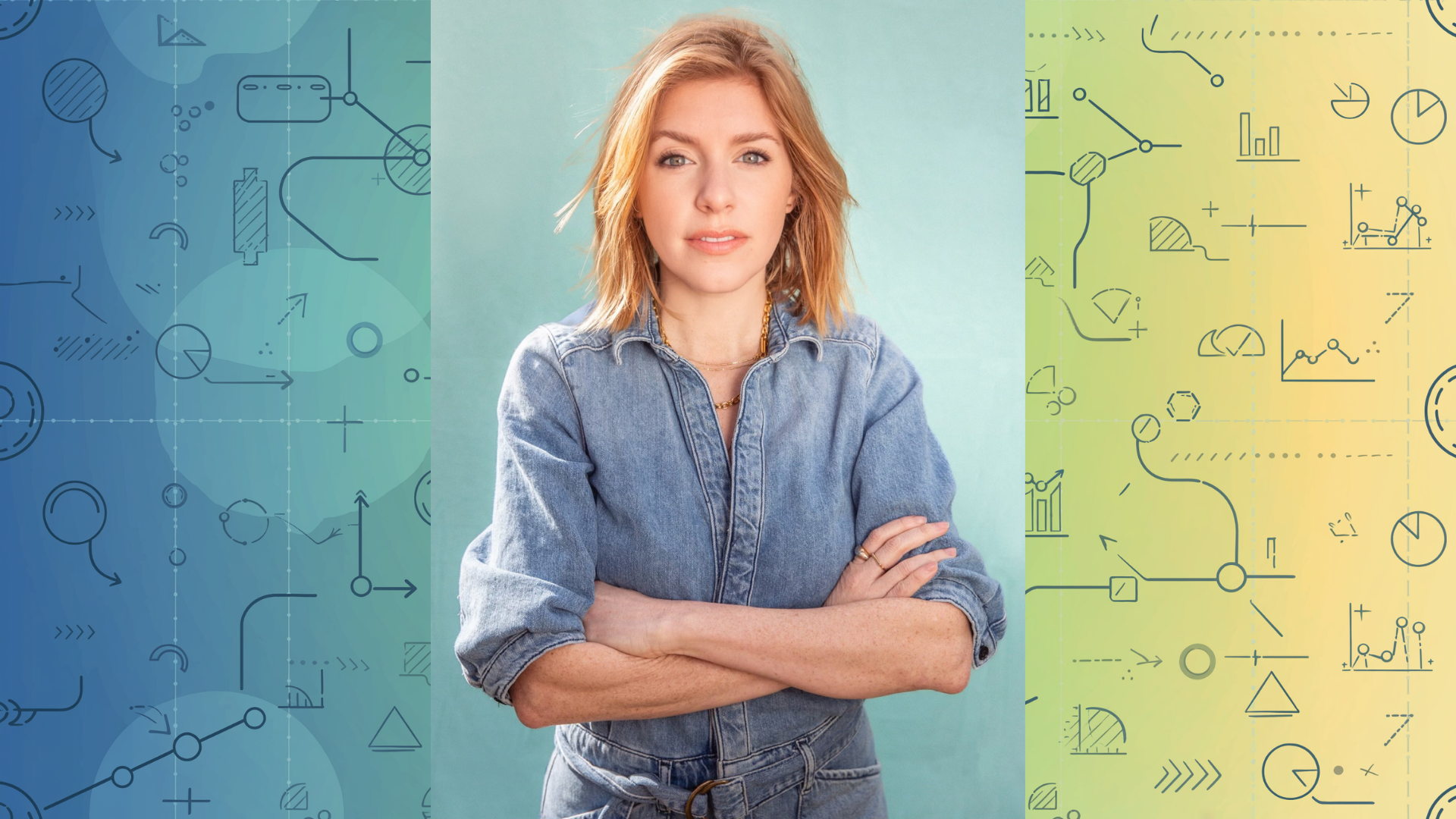
Kaitlyn Regehr appointed as inaugural SRI Global Fellow
The Schwartz Reisman Institute has appointed internationally recognized digital culture and AI literacy scholar Kaitlyn Regehr as its inaugural Global Fellow. Regehr will lead a large-scale initiative to build broad understanding around how AI is shaping society—particularly its impacts on children, young people, and their futures.
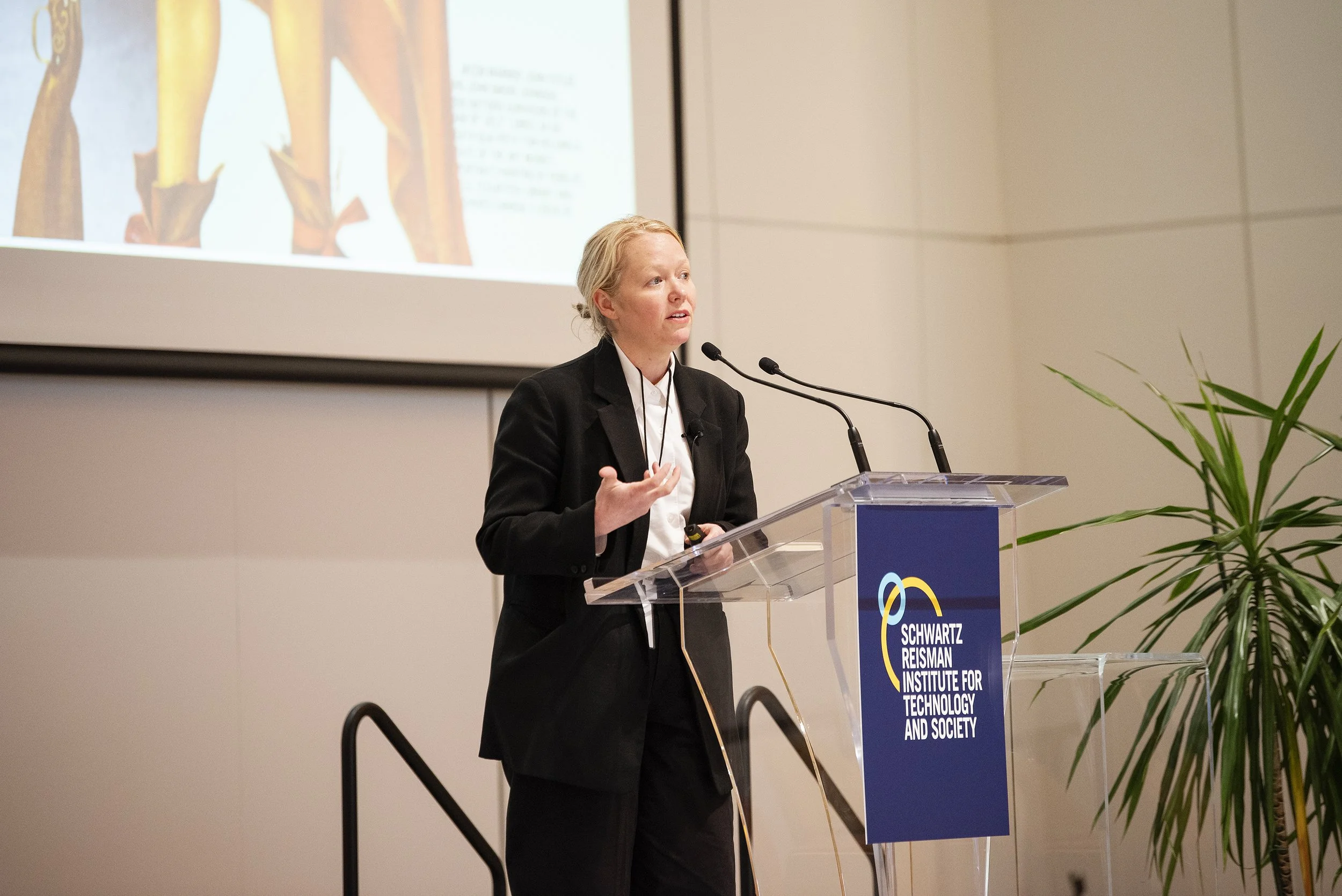
From steam engines to algorithms: How a history course is teaching students to think critically about AI
What can the steam engine, telegraph and railroad teach us about artificial intelligence? Quite a lot. In a new U of T history course, SRI Faculty Affiliate L.K. Bertram is helping students understand today’s AI revolution through the technological upheavals that came before it — exploring how new technologies can reshape power, infrastructure and society.

SRI releases new white paper on trust in human–AI interaction
AI is everywhere. But can we trust it? A new SRI white paper led by Beth Coleman reframes trust in AI as a multidisciplinary challenge—not just a technical one—and charts a path forward.
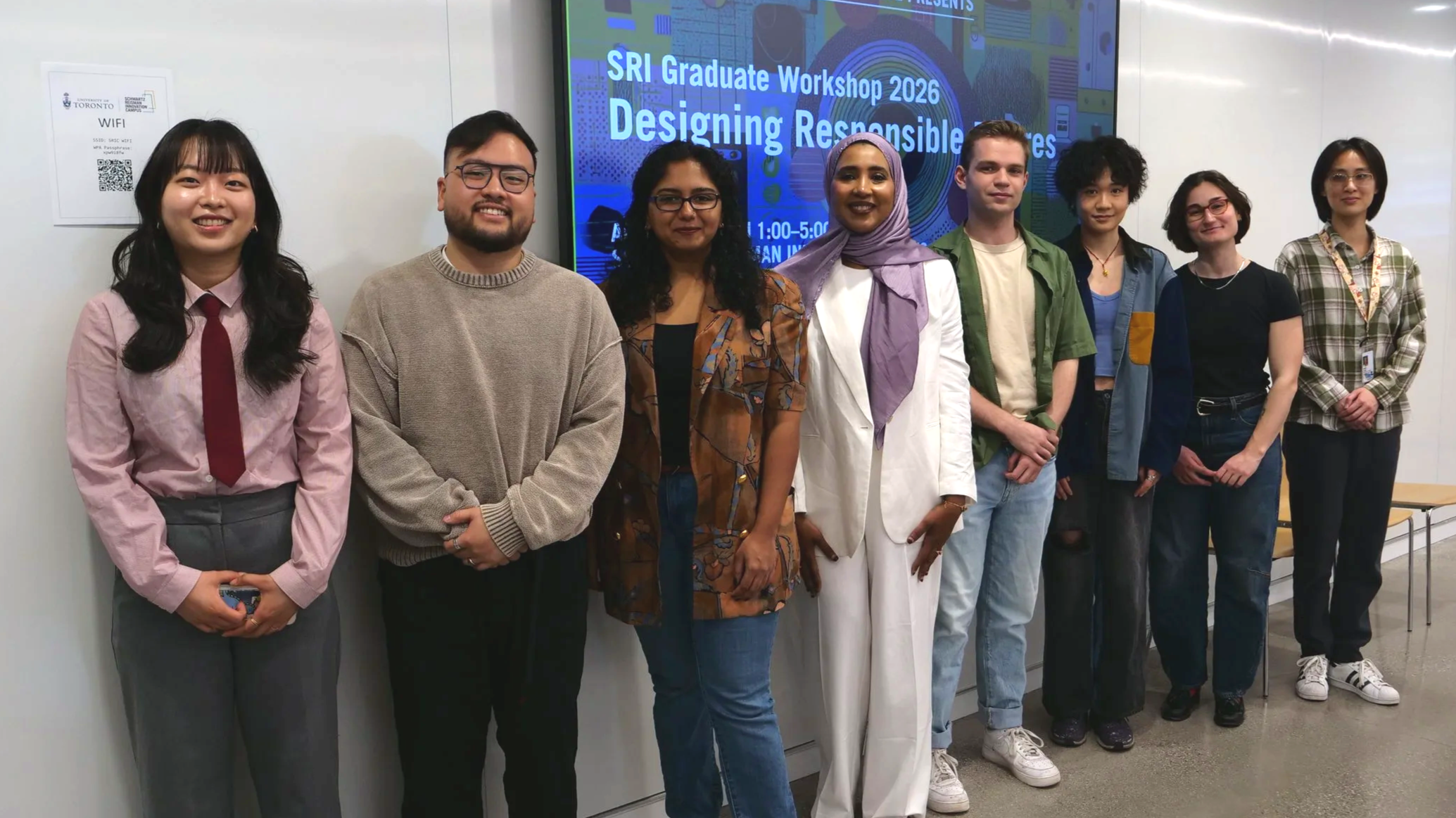
SRI graduate fellows convene workshop on designing responsible AI futures
Organized by SRI’s 2025–26 graduate fellows, “Designing Responsible Futures” examined how AI can be shaped through operational safety, community participation, worker-led governance, and democratic principles.
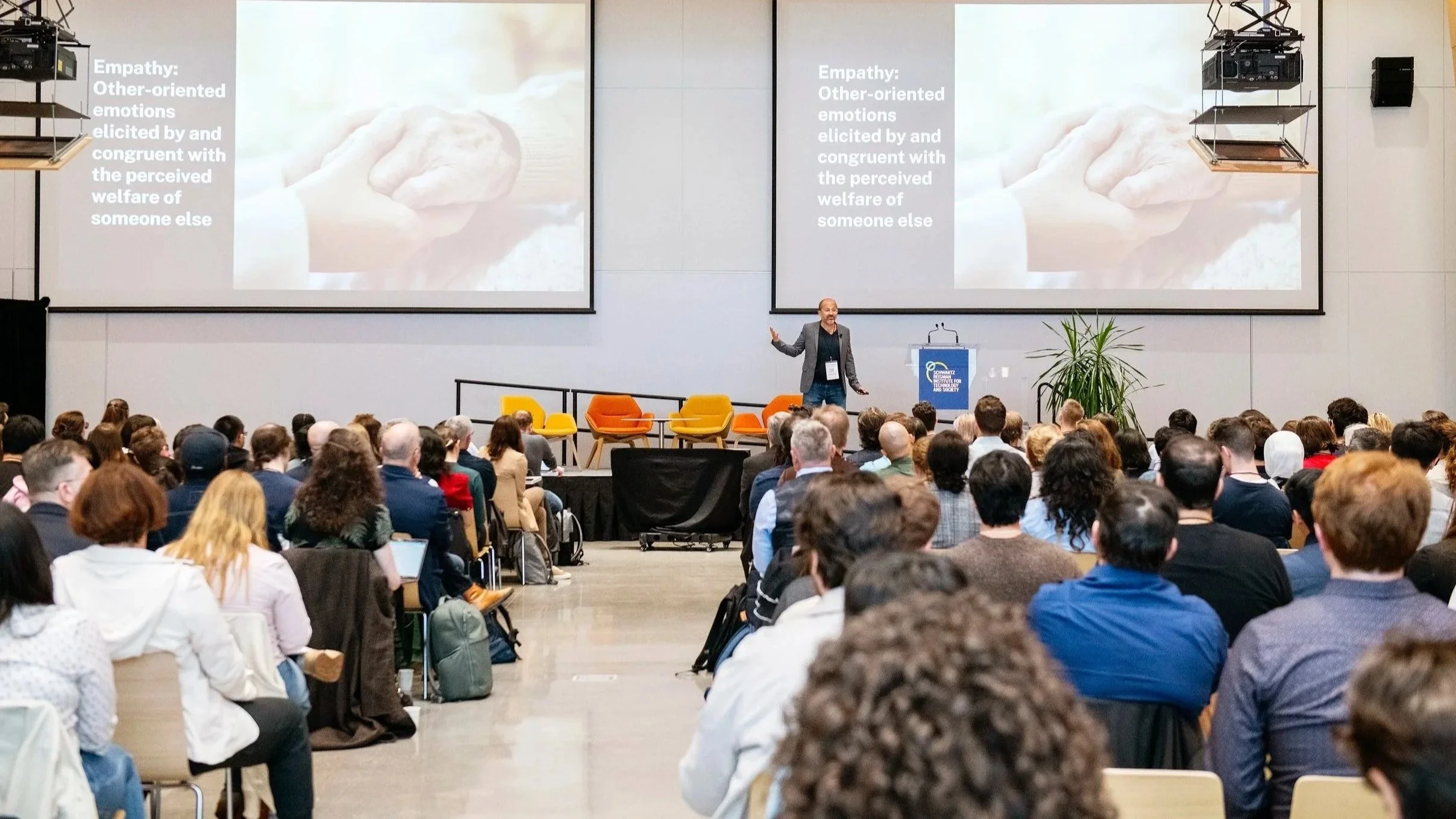
Absolutely Interdisciplinary 2026 explores AI’s social, cognitive, and political dimensions
SRI’s annual conference explored how increasingly capable AI systems are reshaping public discourse, institutional trust, and the boundaries between technical systems and social life.

The Mythos question: Who decides when AI is too dangerous?
Last week, Anthropic pulled back the curtain on Claude Mythos Preview, an AI model so capable at finding and exploiting software vulnerabilities that the company decided it was too dangerous to release to the public. In a new op-ed, SRI Director David Lie and Visiting Fellow Bruce Schneier discuss the implications.
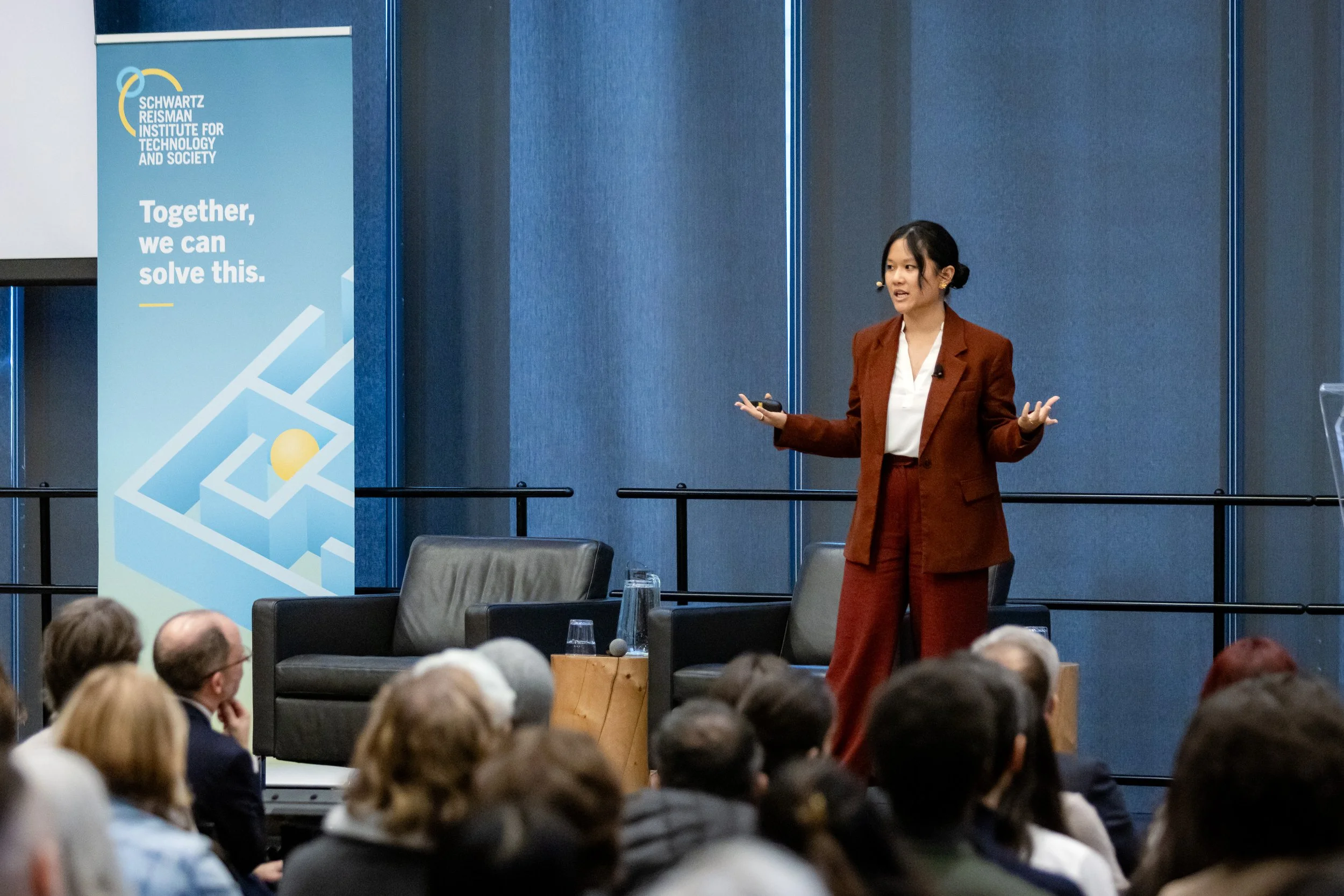
Karen Hao explores power, accountability, and the future of AI
As part of the CBC Ideas series, the Schwartz Reisman Institute welcomed journalist Karen Hao to the University of Toronto to discuss the political economy of AI development, the need for stronger accountability, and the importance of building alternative, less resource-intensive approaches to AI systems.

Absolutely Interdisciplinary 2026 explores AI’s expanding role across society
The Schwartz Reisman Institute’s annual academic conference Absolutely Interdisciplinary explores interdisciplinary approaches to AI governance, risk, and safety on May 13, 2026, at U of T’s Schwartz Reisman Innovation Campus. Registration is now open.
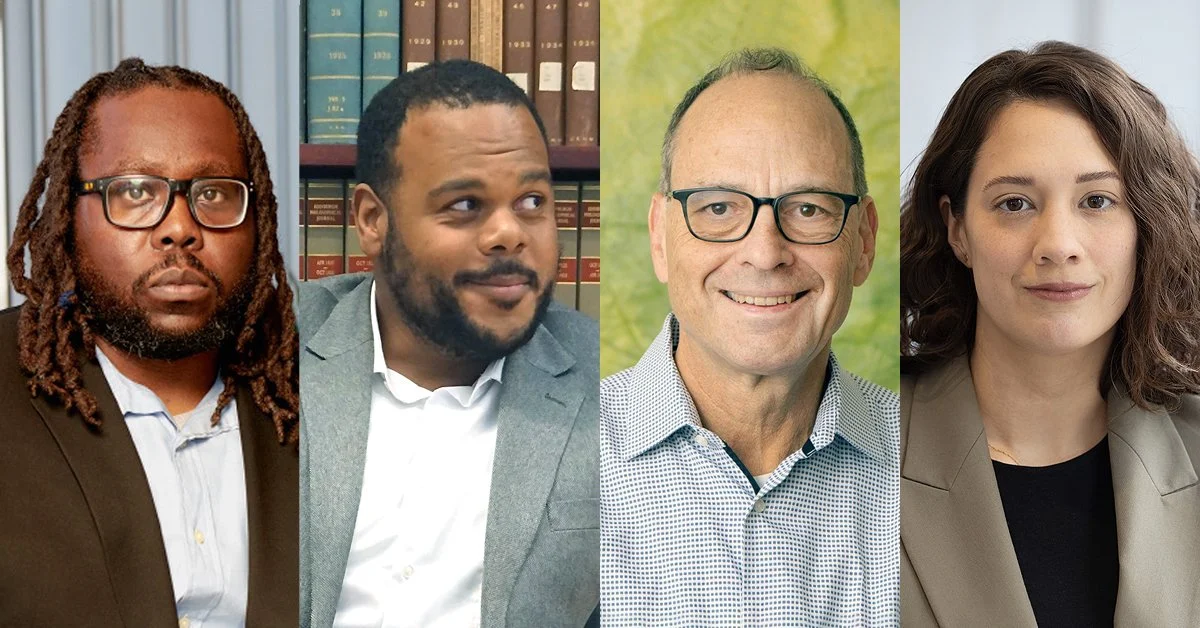
When the algorithm is wrong: A new partnership calls out racism in AI systems
A new partnership co-led by Karina Vold is confronting racism in AI systems—highlighting how tools like facial recognition and LLMs disproportionately harm Black and racialized communities, and calling for greater public awareness and equitable governance of AI in Canada.
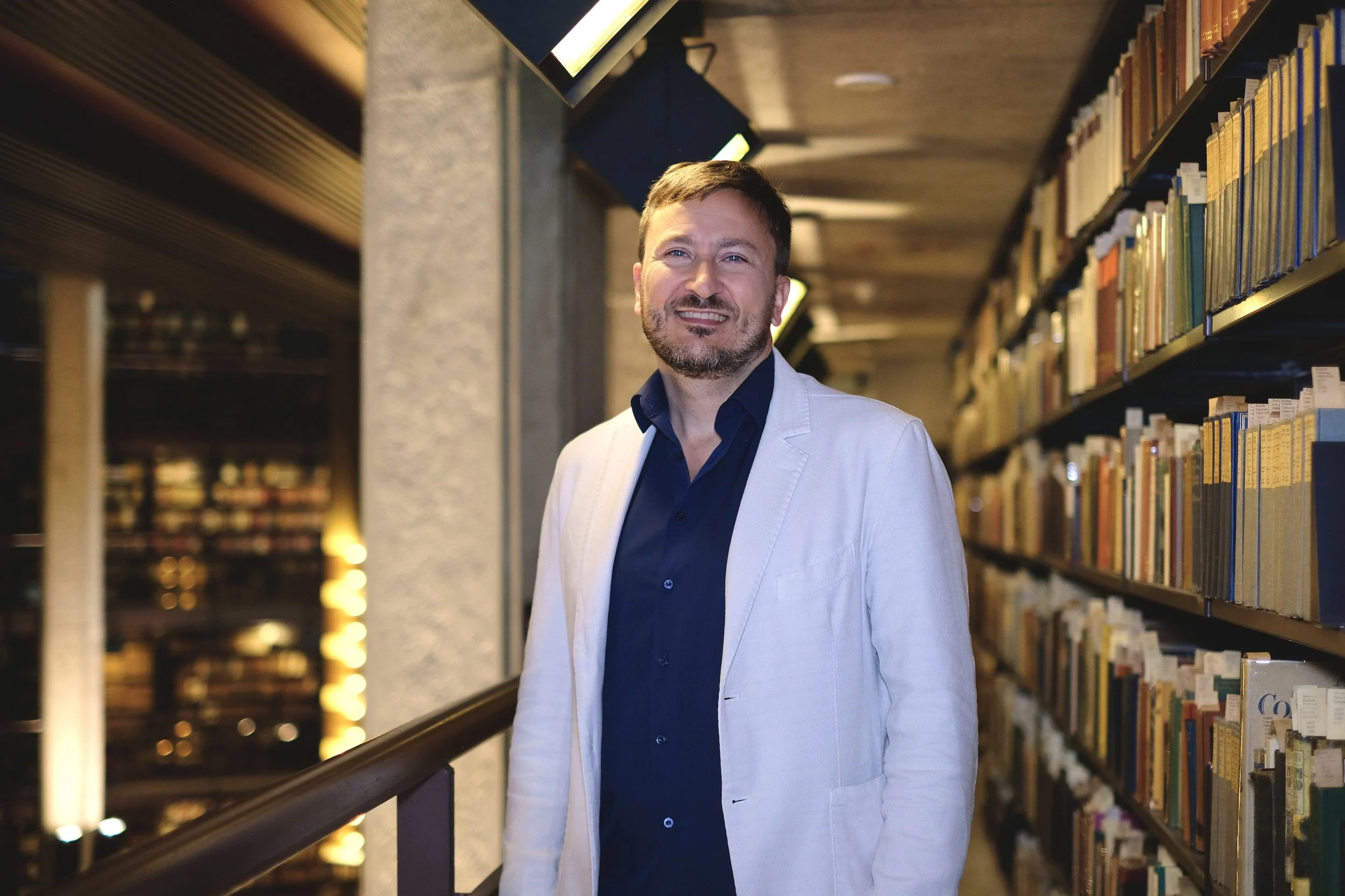
Rethinking knowledge in the age of AI
SRI Faculty Affiliate Paolo Granata reflects on his new book Generative Knowledge: Think, Learn, Create with AI, rethinking how artificial intelligence reshapes learning, research, and creativity by positioning AI as a co-creative partner in intellectual life rather than merely a tool for automation.

Call for 2026 Schwartz Reisman Institute Graduate Fellows now open
The Schwartz Reisman Institute is now accepting applications for its 2026 Graduate Fellowships, supporting U of T researchers advancing responsible, human-centred approaches to AI and emerging technology. The one-year fellowship includes a $7,500 stipend and access to SRI’s interdisciplinary research community. Apply by February 8, 2026.

Schwartz Reisman Institute releases 2025–2028 strategic plan
The Schwartz Reisman Institute for Technology and Society has launched its 2025–2028 strategic plan, outlining a focused vision for steering advanced AI toward safety, ethics, and the public good. Centered on safe AI systems, data integrity, and the social impacts of technology, the plan sets out priorities to advance interdisciplinary research, translate insights into real-world policy impact, and strengthen global leadership in AI governance.
FILTER STORIES BY CATEGORY
Filter Stories By Tag
- AI
- Governance
- Data
- Public Policy
- Ethics
- Law
- Education
- Human Rights
- Engineering
- In the Media
- Psychology
- Privacy
- Workshops
- AI safety
- Health
- Economics
- LLMs
- Privacy Series
- Normativity
- Computer science
- Reports
- AI trust
- Jobs
- Philosophy
- Recommenders
- Regulation
- Computer security
- Democracy
- Political Science
- Trust
- Cybersecurity
- GPO-AI
- Copyright
- Religion