
WHAT’S HAPPENING
Here’s what we’re thinking about, talking about, and working on.

From Toronto to Seoul: SRI researchers at ICML 2026
SRI researchers are heading to Seoul this July for ICML 2026, and they're arriving with a lot to share. Across 24 papers, seven position papers, and a co-organized workshop, 21 members of our community are presenting work spanning machine learning theory, AI safety, clinical AI, legal compliance, and more.
SRI researchers present work at ACM FAccT 2026
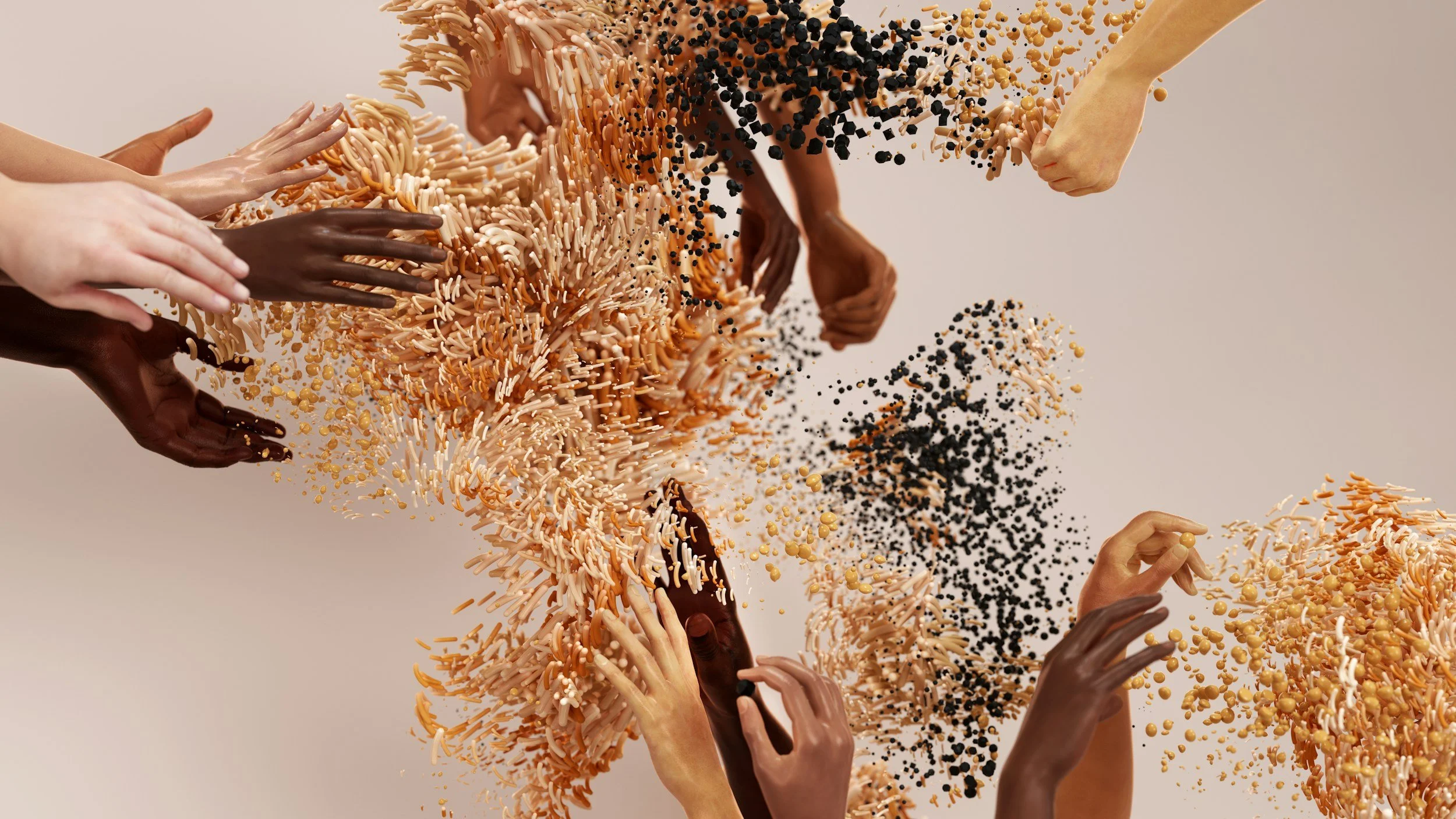
SRI researchers will present 13 accepted papers and one workshop session at FAccT 2026, showcasing the Institute’s research in responsible AI, algorithmic governance, alignment, privacy, and the impacts of socio-technical systems.
Geoffrey Hinton awarded Sandford Fleming Medal
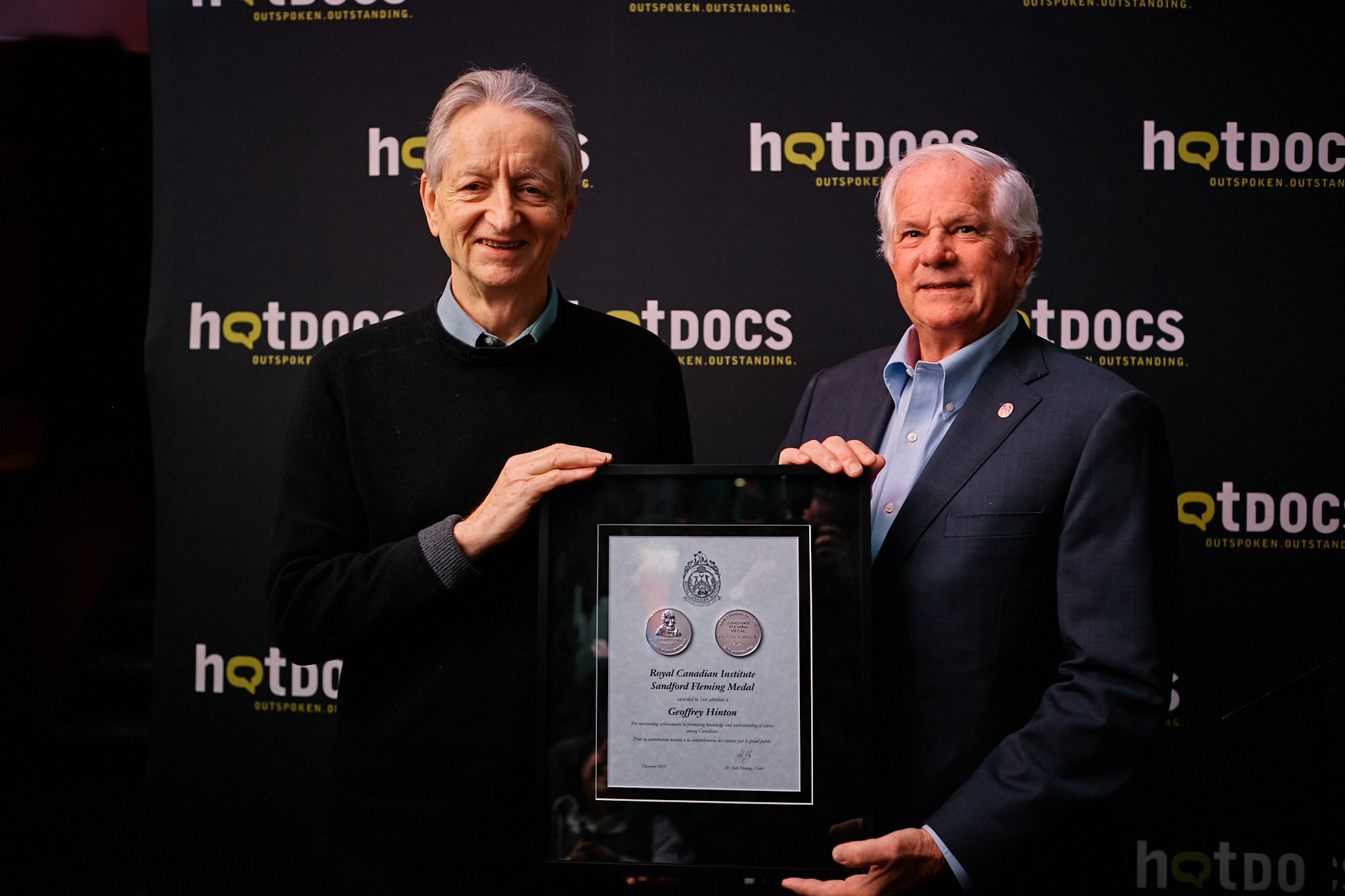
Geoffrey Hinton, University Professor Emeritus of computer science in the University of Toronto's Faculty of Arts & Science and co-laureate of the 2024 Nobel Prize in Physics, has received the 2025 Sandford Fleming Medal.
SRI graduate fellows convene workshop on designing responsible AI futures
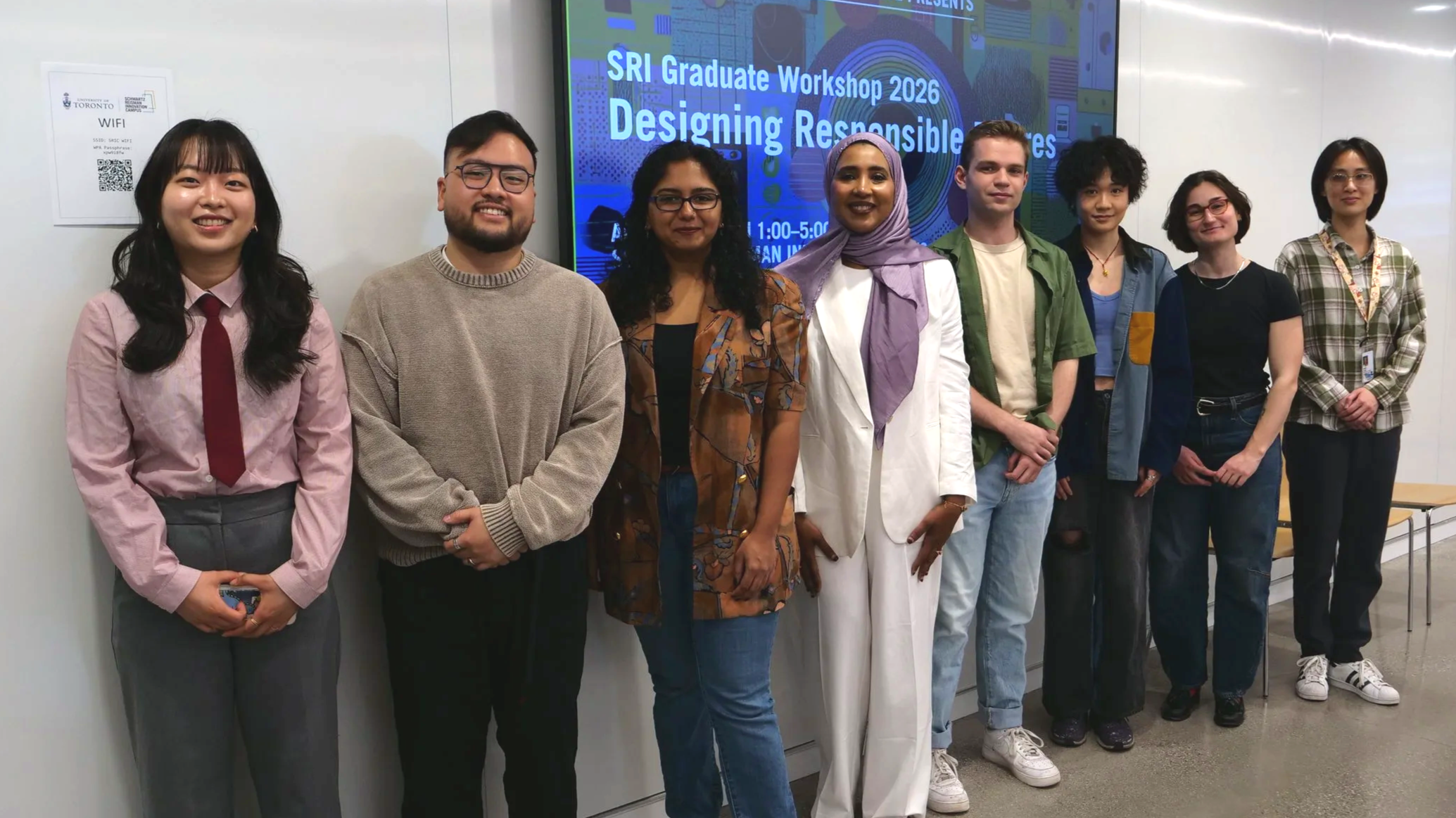
Organized by SRI’s 2025–26 graduate fellows, “Designing Responsible Futures” examined how AI can be shaped through operational safety, community participation, worker-led governance, and democratic principles.
Research led by Nicolas Papernot shows that AI worm could target any online device
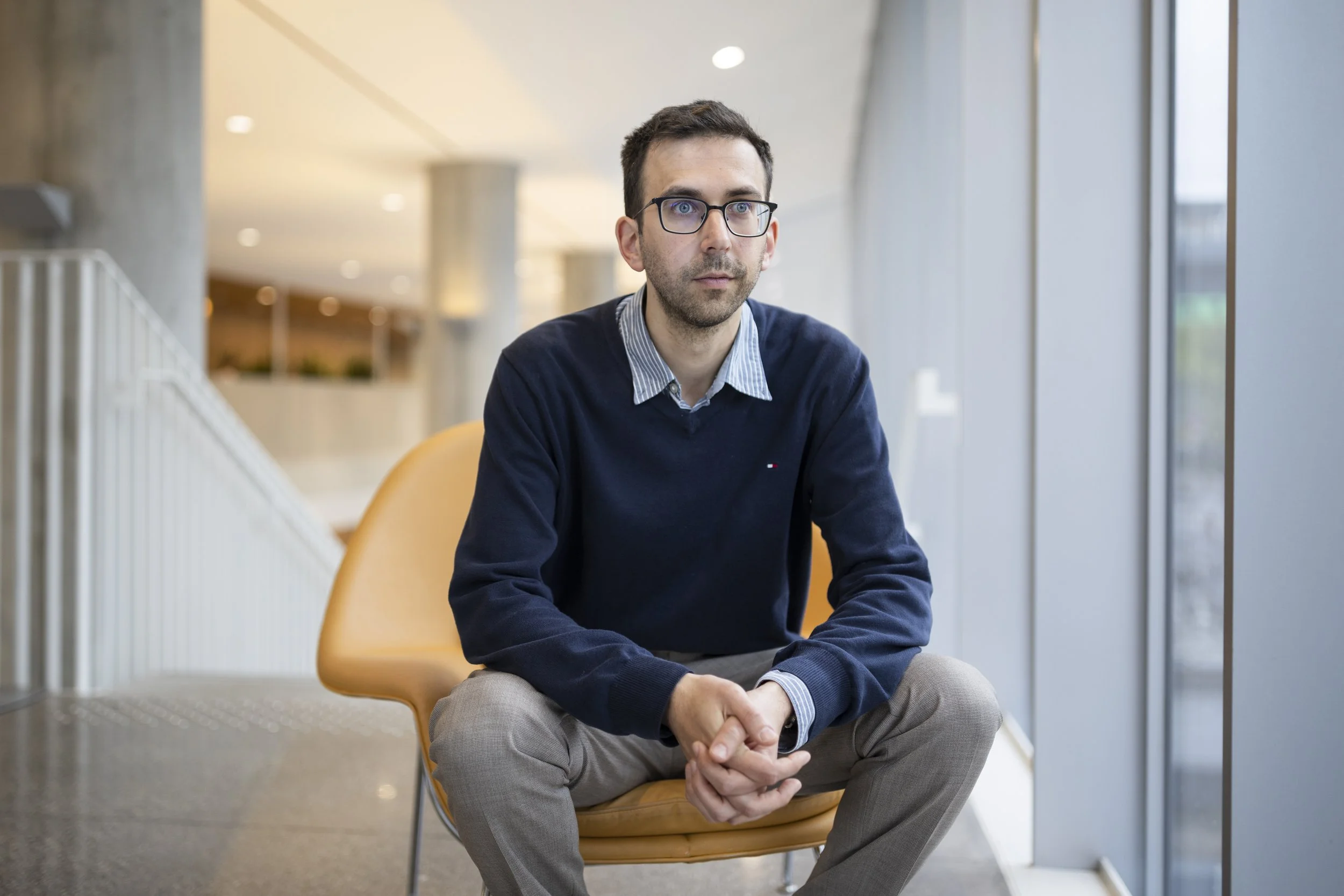
A team of researchers at the University of Toronto, including SRI Faculty Affiliate Nicolas Papernot, has discovered a new class of cyberthreat that gives hackers more power and reach at far less cost. It can be built with free AI models.
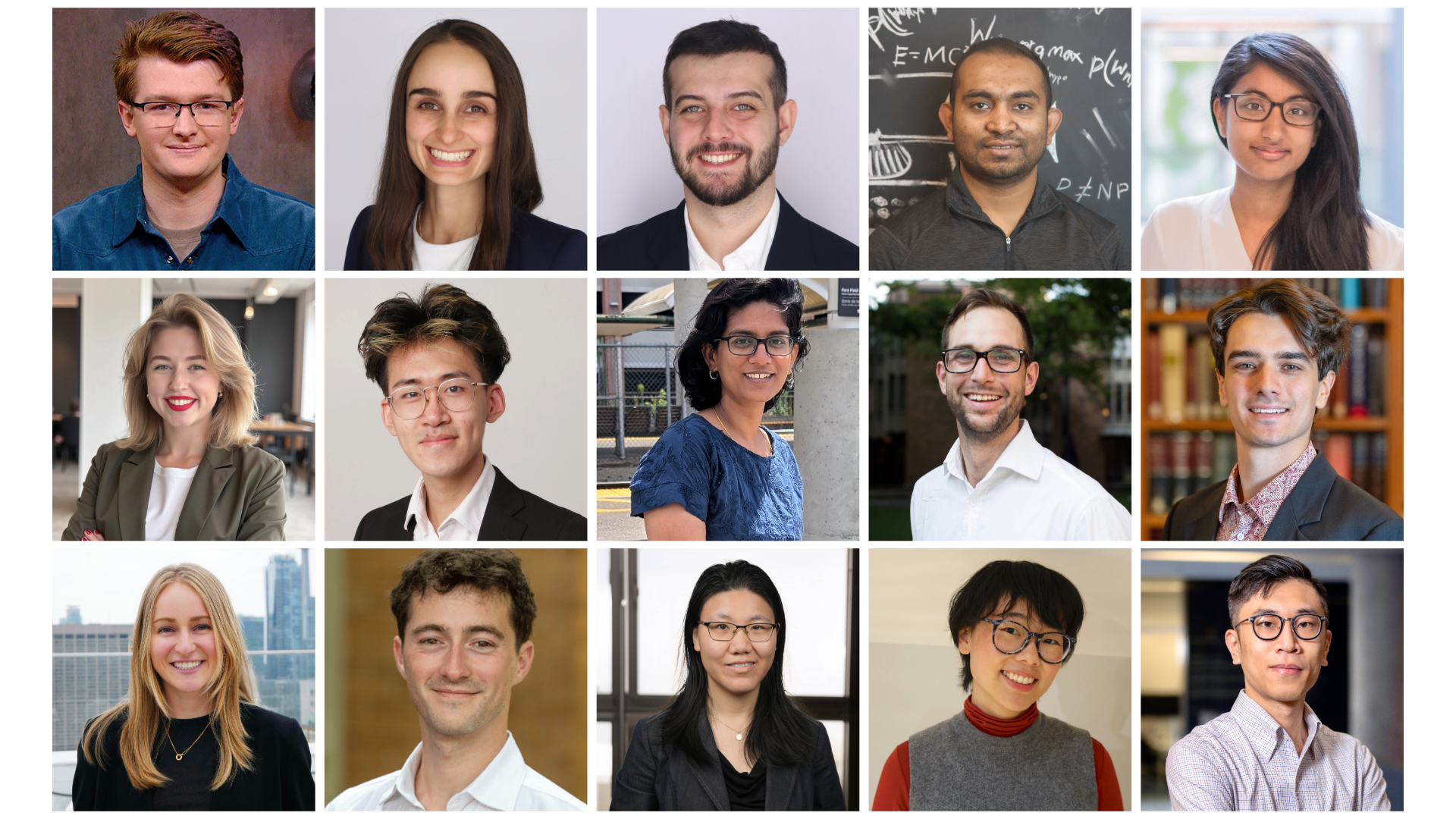
Schwartz Reisman Institute announces 2026–27 graduate fellows
The Schwartz Reisman Institute for Technology and Society is pleased to announce its cohort of 2026–27 graduate fellows, bringing together fifteen exceptional U of T researchers exploring the societal implications of AI and emerging technologies.
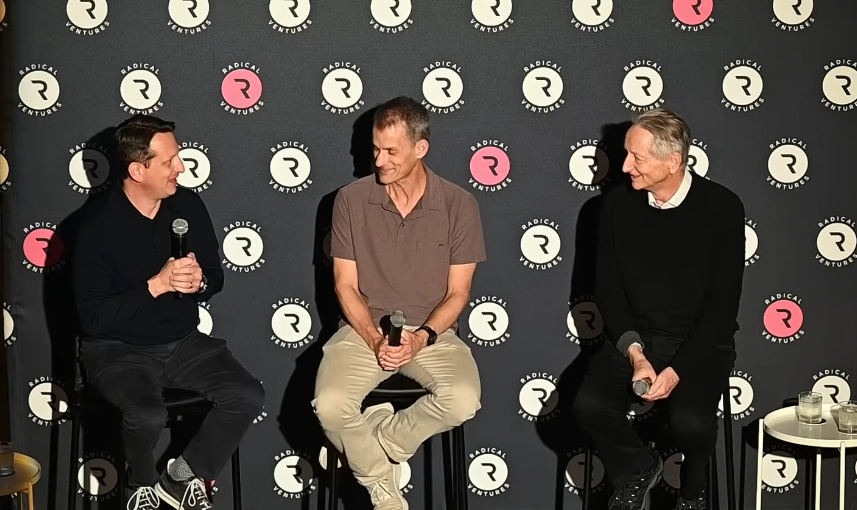
Geoffrey Hinton and Jeff Dean in conversation: Recorded live at NeurIPS
A new Radical Talks podcast episode features Geoffrey Hinton and Google Chief Scientist Jeff Dean in a live conversation recorded at NeurIPS 2025, reflecting on the past, present, and future of artificial intelligence—alongside the announcement of the new Hinton Chair at the University of Toronto.

Geoffrey Hinton awarded Queen Elizabeth Prize for Engineering
Schwartz Reisman Institute Advisory Board member Geoffrey Hinton has been awarded the 2025 Queen Elizabeth Prize for Engineering, recognizing his pioneering contributions to the development of modern machine learning and artificial intelligence. Presented by King Charles III at St James’s Palace, the honour celebrates Hinton’s lifelong impact on both the science and societal understanding of AI.

Hinton and Li headline Who’s Afraid of AI? conference on the futures of intelligence
AI visionaries Geoffrey Hinton and Fei-Fei Li headlined Who’s Afraid of AI?, a landmark University of Toronto conference exploring how artificial intelligence is reshaping culture, creativity, and collective imagination. Presented in part by the Schwartz Reisman Institute, the event brought together artists, technologists, and scholars to envision more human-centered futures of intelligence.

The big picture of dangerous capability evaluations: David Duvenaud at the Seminar Series
How can we stay in control when AI systems surpass human intelligence? In a recent SRI Seminar, Schwartz Reisman Chair David Duvenaud explored the frontier of AI safety, alignment, and governance, introducing new research on “dangerous capability” evaluations and control protocols designed to detect when AI models become too powerful to oversee.

David Duvenaud reflects on post-AGI workshop
SRI Chair David Duvenaud shares reflections from the Post-AGI workshop, highlighting the value of diverse perspectives and the challenges of envisioning post-AGI trajectories.

University of Toronto team discovers vulnerability at hardware-software boundary in cloud systems
SRI Director David Lie and collaborators have discovered a security flaw in AMD’s cloud protection technology, revealing how interactions between hardware and software can expose sensitive data.
FILTER STORIES BY CATEGORY
Filter Stories By Tag
- AI
- Governance
- Data
- Public Policy
- Ethics
- Law
- Education
- Human Rights
- Engineering
- In the Media
- Psychology
- Privacy
- Workshops
- AI safety
- Health
- Economics
- LLMs
- Privacy Series
- Normativity
- Computer science
- Reports
- AI trust
- Regulation
- Jobs
- Philosophy
- Recommenders
- Computer security
- Democracy
- Political Science
- Trust
- Cybersecurity
- GPO-AI
- Copyright
- Religion