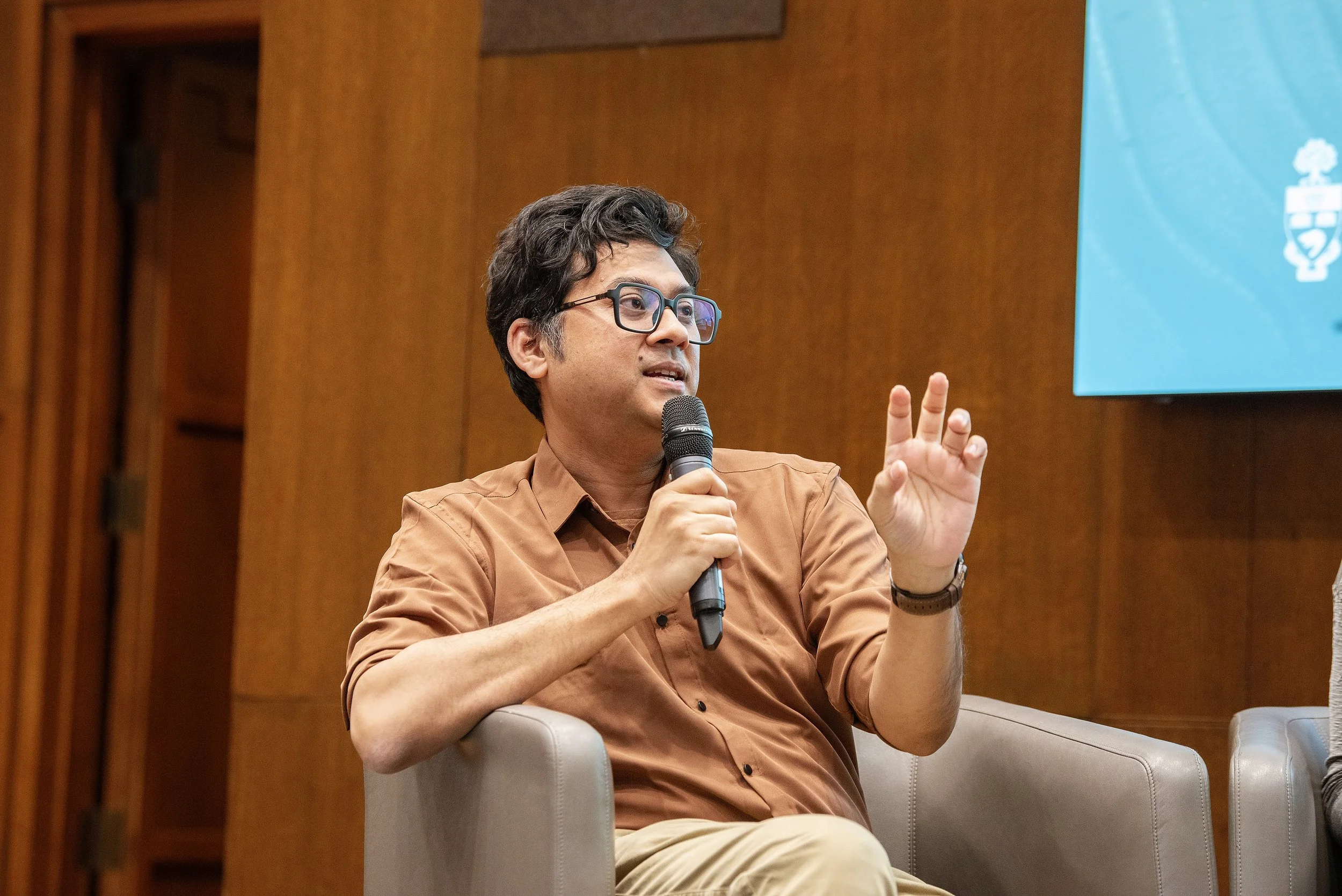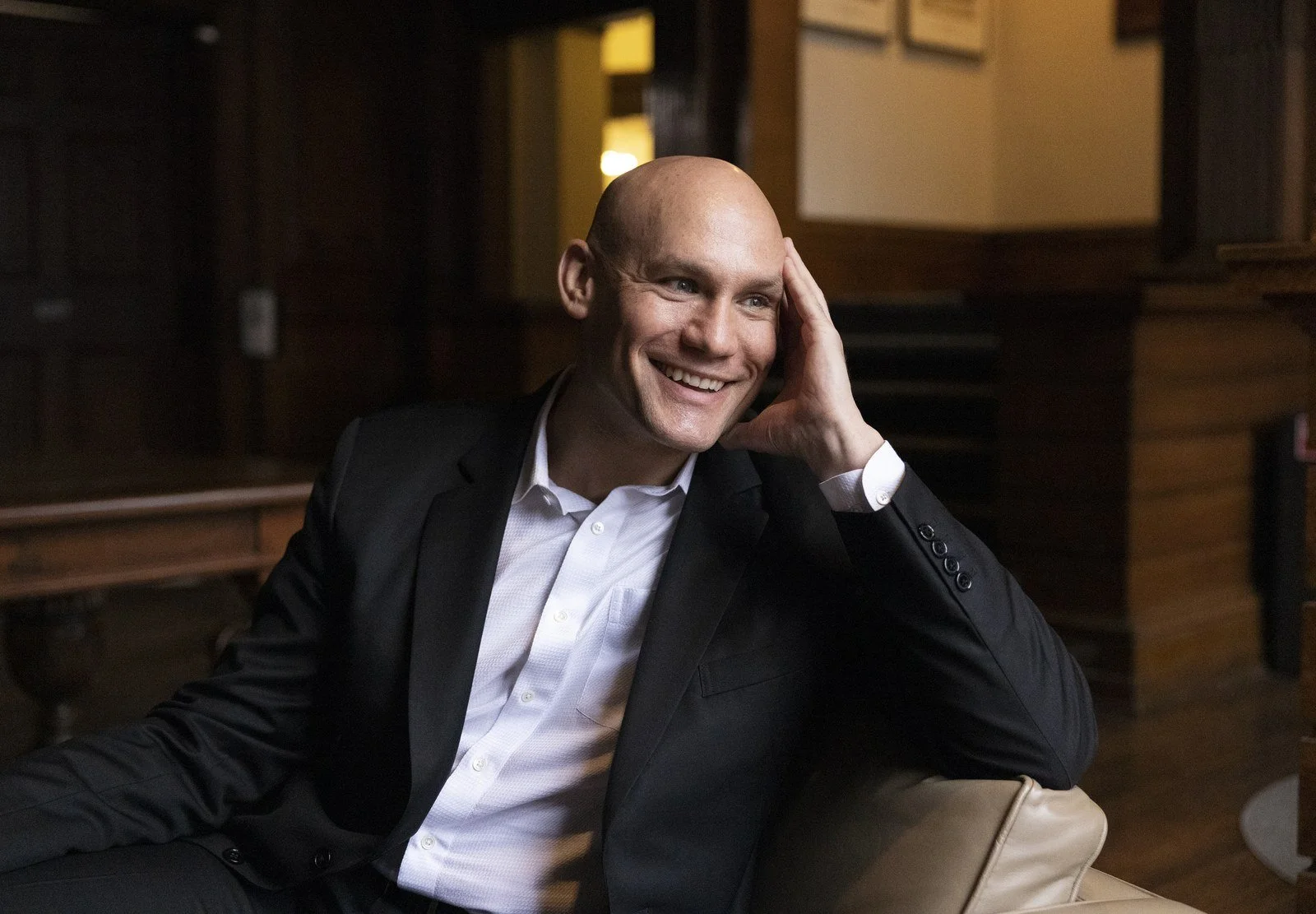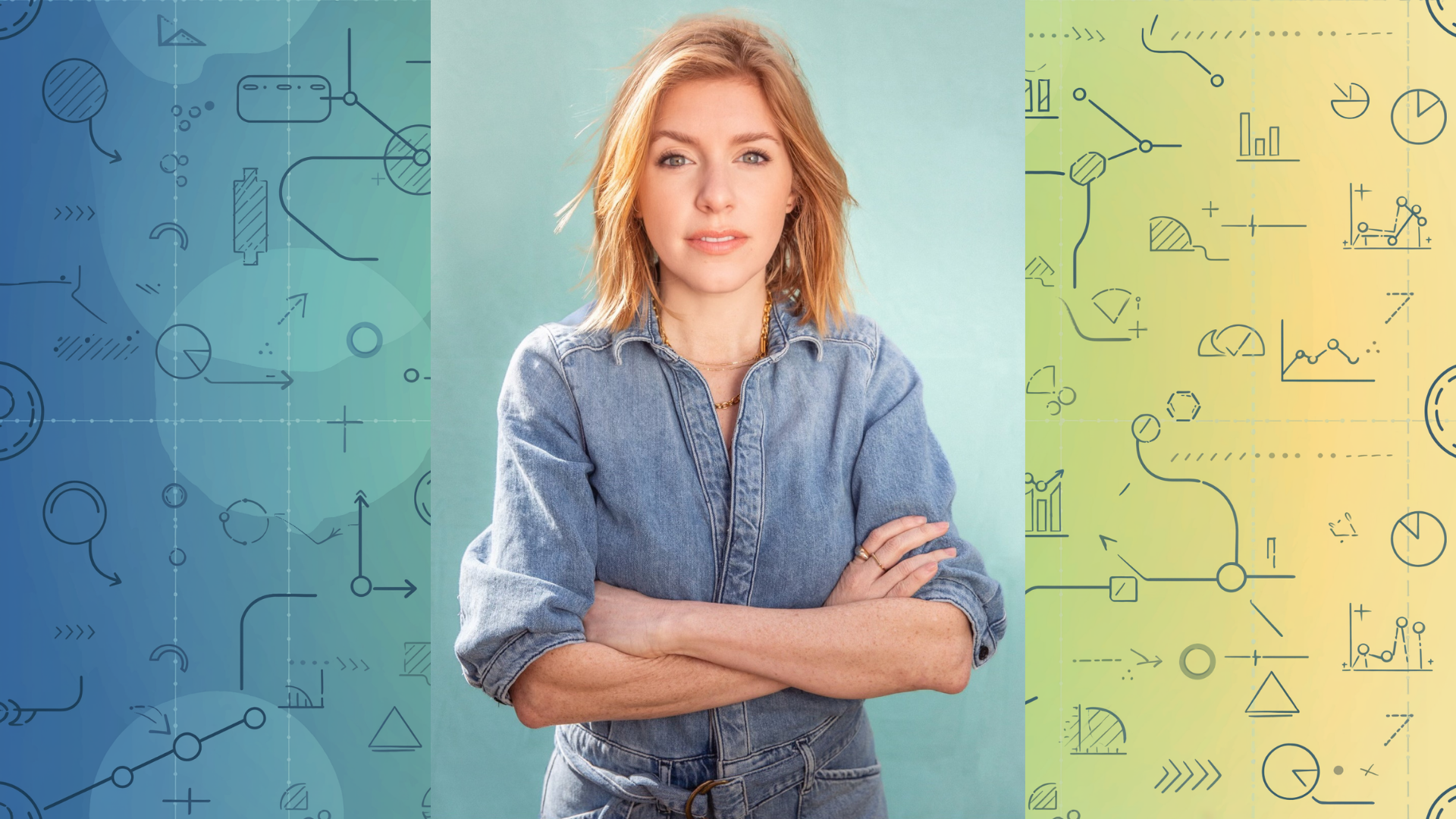
SRI researchers are presenting across nearly 30 sessions at 4S 2026, the world’s largest gathering of science and technology studies scholars, held this year in Toronto. From the political economy of AI to care, labour, surveillance and data justice, 22 members of our community are sharing work that asks who shapes technology—and who it serves. (Image credit: Patrick Tomasso/Unsplash.)
The Society for Social Studies of Science (4S) annual meeting comes to Toronto this week, taking place at the Sheraton Centre Toronto from October 7 to 10, 2026. Researchers affiliated with the Schwartz Reisman Institute for Technology and Society (SRI) are well represented, with 22 members of our community presenting papers, organizing panels, chairing sessions, convening a meetup, and exhibiting in the Making and Doing program.
Their contributions span nearly 30 sessions and reflect the interdisciplinary reach of SRI’s research community, bringing together scholars from information studies, computer science, sociology, philosophy, history, political science, and health policy to examine how technologies are designed, governed, and lived with.
AI, platforms and the politics of infrastructure
Several contributions from SRI researchers examine the corporate and infrastructural power behind today’s AI systems. Kaushar Mahetaji and David Nieborg present work on Meta’s Llama models, asking what it means for an open-weight model to function both as an AI tool and as infrastructure. Darsana Vijay examines Meta’s relationship with India’s fact-checking organizations, part of a panel on how AI and automation are reshaping journalistic authority. Evan Light, with Michel Mersereau, turns to the physical layer of digital networks, analyzing the political economy of commercial telecoms’ occupancy of public space.
Others look at how people make sense of—and place trust in—AI. Beth Coleman asks “What Is It Like to Think as a Machine?” in a panel on sociotechnical imaginaries of AI. Joseph Wilson maps how AI users locate their trust, whether in a human, a model or a company, and organizes a two-part panel bringing ordinary language philosophy to bear on artificial intelligence. Tero Karppi presents “Networks that Separate,” on the disconnections that persist within networked technologies.
SRI researchers are also building tools. Elliot Creager and collaborators at the University of Waterloo present research on co-designing context-based large language model tools to help policymakers close knowledge gaps, and exhibit a related prototype for facial recognition policy in the Making and Doing program. Hiu-Fung Chung organizes a two-part panel on the technopolitics of knowledge mobilization in datafied societies, where he presents research on therapeutic AI and the enclosure of care authority in South China.
Care, health and data justice
A second cluster of work considers who benefits—and who is left out—when data and AI enter care, health and everyday life. SRI Graduate Fellow Azhagu Meena presents research on epistemic justice in large language model–based mental health support, drawing on autoethnography, feminist interviews and document analysis with Indian working mothers; her related work on culturally grounded counselling support in Bangladesh appeared at CLPsych 2026. Joseph Donia co-organizes a two-part panel on the global politics of digital health and presents research on contested sovereignties over health data access and use in Canada.
Shana Ye contributes to a panel on intersectional data justice from feminist, queer, and crip perspectives, presenting “Alienated Intelligence/Asianized Infrastructure.” Taneea Agrawaal presents research toward place-based and equitable climate informatics, staging climate data through design. Han Qiao examines “near data” and “far data” for urban sustainability, building on her CSCW 2025 paper on how communities work with these different kinds of data. Matt Ratto, with Sarah Gram, explores process and non-cognitive feeling in e-bike mobility.
Karina Vold and Jordan Brensinger co-convene a meetup on neurotechnologies and STS, creating space for scholars working on brain–computer interfaces, neural data, and related technologies to connect.
Labour, surveillance, and public governance
SRI researchers are also examining how technology intersects with work, state power, and public institutions. Rafael Grohmann organizes a three-part panel on worker-led techno-futures and co-leads, with Cecilia Muñoz Cancela of the Código Libre Working Cooperative, a collective live-drawing session based on the comic series Other Tech Worlds Are Possible, co-created with workers’ movements in Latin America. Vera Khovanskaya presents research on the long shadow of the voter file in the North American labour movement and joins a roundtable revisiting David Noble’s America by Design fifty years on.
Aaron Gluck-Thaler presents historical research on scientists and the making of state surveillance, and chairs a panel on security logics across domains. Madison Mackley draws lessons for privacy, power, and public data governance from the PowerSchool data breach, which exposed the records of millions of students. Rhonda McEwen chairs a panel on governing technoscientific systems toward accountable futures.
Seattle University professor Onur Bakiner, who presented in the SRI Seminar Series this week, co-organizes a three-part panel on how STS can intervene in technopower—and when it gets co-opted—and presents “A Radical-Democratic Vision for AI Governance.”
The Institute congratulates all SRI researchers and collaborators taking part in 4S 2026 and invites community members attending the conference to support their colleagues. See the full 4S 2026 program.
SRI researcher presentations at 4S 2026
All sessions take place at the Sheraton Centre Toronto.
Wednesday, October 7
Joseph Wilson, panel organizer, “Leaning into Language: Ordinary Language Philosophy and Artificial Intelligence” parts 1 and 2 (Sessions 22 and 55), 8 a.m.–12:20 p.m.
Darsana Vijay, “Meta and Indian Fact-Checking” (Session 48), 10:20 a.m.
Evan Light, with Craig Fahner, “FRuiT: a fruit recognition system” (Session 57), 10:20 a.m.
Han Qiao, “Near Data and Far Data for Urban Sustainability” (Session 62), 10:20 a.m.
Aaron Gluck-Thaler, “An Extensive Store of Data: Scientists and the Making of State Surveillance” (Session 107), 1:30 p.m.
Kaushar Mahetaji and David Nieborg, “Llama as AI Tool; Llama as Infrastructure” (Session 117), 1:30 p.m.
Thursday, October 8
Taneea Agrawaal, “Towards Place-based and Equitable Climate Informatics: Staging Climate Data Through Design” (Session 162), 8 a.m.
Azhagu Meena, “Epistemic Justice and LLMs-Based Mental Health Support: A Case of Indian Working Mothers” (Session 172), 8 a.m.
Shana Ye, “Alienated Intelligence/Asianized Infrastructure: Queer Phantomastics and Caotai Banzi Capitalism” (Session 180), 8 a.m.
Rafael Grohmann, with Cecilia Muñoz Cancela, “Other Technological Worlds Are Possible—Now in Comics: Collective Live Drawing of Techno-Futures” (Session 250), 1:30 p.m.
Elliot Creager, with Jin Sol Kim, Caroline Huang, Lai-Tze Fan, Deacon Sham and Alisha Anat, “Co-designing Research Tools for Effective Regulation: Using Context-Based LLMs to Bridge Policymaking Knowledge Gaps” (Session 254), 1:30 p.m.
Beth Coleman, “What Is It Like to Think as a Machine?” (Session 273), 1:30 p.m.
Rhonda McEwen, chair, “People, Power, and Possibility: Governing Technoscientific Systems Toward Accountable Futures” (Session 302), 3:40 p.m.
Vera Khovanskaya, “Assessing the Long Shadow of the Voter File in the North American Labour Movement” (Session 307), 3:40 p.m.
Friday, October 9
Vera Khovanskaya, roundtable, “‘Change without Change’: A Reappreciation of David Noble’s Analysis of Technopower in America by Design Fifty Years On” (Session 384), 10:20 a.m.
Elliot Creager, with Alisha Anat and collaborators, Making and Doing exhibit, “From RAGs to Informational Riches: Using A Context-Based LLM to Inform Policymaking for Facial Recognition Systems” (Session 385), 10:20 a.m.–3:20 p.m.
Karina Vold and Jordan Brensinger, with Kim Fernandes, co-conveners, Neurotechnologies in/and STS meetup (Session 400), 12:20 p.m.
Joseph Wilson, “In a Human, a Model, or a Company?: Mapping Conceptions of Trust Among AI Users” (Session 418), 1:30 p.m.
Madison Mackley, “Privacy, power and public data governance: Lessons from the PowerSchool data breach” (Session 430), 1:30 p.m.
Saturday, October 10
Rafael Grohmann, panel organizer, “Worker-led Techno-futures” parts 1–3 (Sessions 509, 546 and 611), 8 a.m.–3:20 p.m.
Tero Karppi, “Networks that Separate” (Session 515), 10:20 a.m.
Evan Light, with Michel Mersereau, “The Political Economy of Commercial Telecoms’ Occupancy of Public Space” (Session 526), 10:20 a.m.
Matt Ratto, with Sarah Gram, “Accumulated Adjustments: Process and Non-cognitive Feeling in E-bike Mobility” (Session 600), 1:30 p.m.
Hiu-Fung Chung, panel organizer and presenter, “Technopolitics of Knowledge Mobilization in Datafied Societies” parts 1 and 2 (Sessions 604 and 640), 1:30–5:30 p.m.
Joseph Donia, panel co-organizer and presenter, “The Global Politics of Digital Health: Sovereignty, Securitization, and Technoscientific Nationalisms” parts 1 and 2 (Sessions 605 and 642), 1:30–5:30 p.m.
Aaron Gluck-Thaler, chair, “Security Logics Across Domains: From Computers and Minds to Borders Above and Below” (Session 637), 3:40 p.m.
About 4S
The Society for Social Studies of Science (4S) is an international, interdisciplinary association of scholars who study science, technology, and medicine in their social, political, and cultural contexts. Its annual meeting is among the largest gatherings in the field of science and technology studies (STS). The 2026 meeting takes place at the Sheraton Centre Toronto from October 7 to 10, with more than 570 pages of programming across four days, alongside exhibits marking the society’s 50th anniversary.
Want to learn more?
Browse stories by tag:
- AI
- AI safety
- AI trust
- Computer science
- Computer security
- Copyright
- Cybersecurity
- Data
- Democracy
- Economics
- Education
- Engineering
- Ethics
- GPO-AI
- Governance
- Health
- Human Rights
- In the Media
- Jobs
- LLMs
- Law
- Normativity
- Philosophy
- Political Science
- Privacy
- Privacy Series
- Psychology
- Public Policy
- Recommenders
- Regulation
- Religion
- Reports
- Trust
- Workshops